Blog
Does Car Insurance Cover a Parked Car Hit-and-Run?

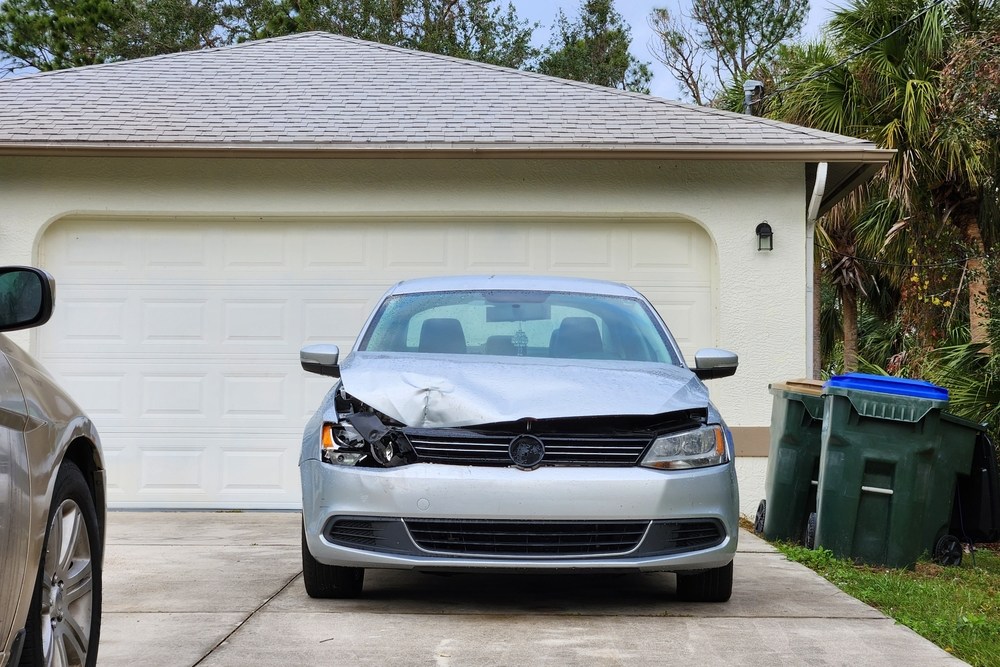
If you find damage on your parked car and the driver responsible has left without a trace, you may wonder if your car insurance will cover the repairs. Whether you are covered depends on your policy details, the type of coverage you have, and your state’s laws. This article explains the types of insurance that may cover a parked car hit-and-run, what to do after it happens, how to file a claim, and what to expect.
What Insurance Covers a Parked Car Hit-and-Run?
When someone hits your parked car and then pulls a disappearing act worthy of a magician, the insurance coverage that might help you pay for repairs usually falls under two main categories: collision coverage and uninsured motorist property damage (UMPD) coverage. Which coverage applies depends on the specifics of your auto policy, your insurance company’s rules, and your state’s regulations.
Hit-and-run accidents often happen in parking lots, on neighborhood streets, or outside apartment buildings. Whether your car was parked at home or in a bustling shopping center, the coverage concepts remain the same.
If your car has physical damage, collision or UMPD coverage is the relevant topic. If you or your passengers were injured inside the vehicle during the incident, personal injury protection or medical payments coverage may help with medical bills and expenses. These coverages are separate from property damage but just as important.
Collision Coverage
Collision coverage is like your car’s personal bodyguard. It can help you pay to repair or replace your vehicle if another vehicle hits your parked car and then skips town. This coverage is subject to your deductible and policy limits. For example, if repairs cost $4,000 and your deductible is $500, your insurance company may cover $3,500, and you pay the rest.
Collision coverage is optional on many auto policies but is required by most lenders if your vehicle is financed or leased. If your car is paid off, you might have dropped this coverage to save some cash. However, if you often park on busy streets or in crowded lots, keeping collision coverage can be a wise move because it may help cover hit-and-run damage.
If you’re unsure whether your coverage includes collision insurance, learning to read your insurance policy can help you understand the specific coverages, deductibles, and limits that apply to your situation. You can also ask an agent at Vern Fonk Insurance for help.
Uninsured Motorist Property Damage Coverage (UMPD)
UMPD coverage is the unsung hero when it comes to hit-and-run incidents. It’s designed to protect you when an uninsured driver or a hit-and-run driver causes damage to your vehicle. However, the rules vary widely depending on your state and insurance company.
Some states require the other driver to be identified before UMPD coverage applies, while others allow claims even when the driver is unknown. For example, in Washington state, the UMPD deductible for hit-and-run claims is capped at $300, which is often lower than typical collision deductibles. That means you might pay less out of pocket using UMPD coverage.
Always check your auto policy declarations page or contact your insurance provider to confirm whether your uninsured motorist coverage applies to parked car hit-and-run damage. Independent agents like those at Vern Fonk Insurance can help explain your options and whether UMPD is a good fit for your parking habits.
Liability Insurance
Liability insurance is like the responsible kid in class, it pays for damage and injuries you cause to others but doesn’t cover damage to your own parked vehicle. If you only carry state-minimum liability insurance, you likely won’t have coverage to repair your own car after a hit-and-run.
If the hit-and-run driver is later identified and has liability insurance, you may be able to pursue a claim against their property damage coverage. However, liability-only insurance doesn’t cover damage to your own parked vehicle, so you may face out-of-pocket costs when a hit-and-run happens.
What Should You Do If Someone Hits Your Parked Car and Leaves?
Many drivers discover damage hours or even days after the hit-and-run. Even if some time has passed, there are important steps you can take to protect your claim and increase your chances of a successful insurance payout.
Call the Police Immediately
Filing a police report is mandatory for most insurance claims. Many insurance policies require police reports to be filed promptly for coverage. In Washington, damage above $500 to a parked vehicle may trigger a reporting requirement. Calling the non-emergency police number in your city or county to report the damage is a good first step.
Document the Damage
Take clear photos of the damage and the surroundings. Photograph close-ups of dents, scrapes, paint transfer, and any debris on the ground. Also take wide shots showing the parking lot layout, street signs, and the exact location of your car. This documentation is critical for building a case with your insurance company.
Look for a Note or Witnesses
Check your windshield for a note from the other driver. Sometimes, the responsible party might leave a message (hopefully with contact info and an apology). Also, ask nearby people if anyone saw the incident. Collecting eyewitness accounts can support your claims process and may help identify the responsible driver.
Check for Nearby Businesses or Security Cameras
Ask nearby businesses, apartment managers, or security personnel if there are surveillance cameras covering the area where your car was parked. Request that footage be preserved as video evidence may be deleted quickly.
Notify Your Insurance Company
Contact your insurance provider or agent as soon as possible with the details you have. Prompt notification can help expedite your claim.
How Do You File an Insurance Claim for a Parked Car Hit-and-Run?
The claims process for a parked vehicle hit-and-run is similar to other collision claims but requires thorough documentation because the other driver is unknown.
Report the Accident Promptly
Most insurance companies want to be notified within 24 hours of discovering the damage. Reporting quickly helps meet policy requirements and supports your claim.
Provide Detailed Information
Your insurance company will ask for the date and approximate time of the incident, exact location, description of damage, witness information, and whether any cameras were present. They will also want digital photos and the police report number.
Damage Assessment
The insurance company may send an adjuster to inspect your car, request an independent repair estimate, or use a mobile app to assess damage from photos.
Claim Decision
Whether your claim is approved depends on your policy terms, coverage type, and the facts of the hit-and-run accident. If you need help understanding claim letters or settlement offers, an independent insurance agent can guide you through the process.
Do You Have to Pay a Deductible for a Parked Car Hit-and-Run?
A deductible usually applies when collision or UMPD coverage pays your claim. The deductible amount depends on your policy and which coverage applies.
Medical coverages like personal injury protection or medical payments typically do not have deductibles, but their limits and rules vary by state.
If the hit-and-run driver is later identified and their insurer accepts fault, your insurance company may seek reimbursement and may reimburse part or all of your deductible.
What If You Only Have Liability Insurance?
If you carry only state-minimum liability coverage and your parked car is hit by a hit-and-run driver, you likely have no insurance payout for your own vehicle’s damage. Liability insurance covers damage you cause to others, not damage to your own car.
Your options include:
- Paying out of pocket for repairs
- Using evidence like license plate numbers or camera footage to pursue the other driver
- Leaving cosmetic damage unrepaired
If the hit-and-run driver is identified and insured, you may file a claim directly with their insurance company for property damage.
Washington drivers who rely on street parking but only carry liability coverage may want to explore adding collision or uninsured motorist coverage for better protection.
What Happens If the Hit-and-Run Driver Is Found?
Sometimes police, camera footage, or witness tips identify the other driver days or weeks later. The driver who hits a parked car is generally considered at fault. Leaving the scene of an accident is a criminal offense and can be a misdemeanor or felony depending on injury severity or property damage.
Penalties can include restitution to victims, license suspension, and criminal charges. The statute of limitations for hit-and-run charges varies by case.
If you already filed a hit-and-run claim, your insurance company may continue handling repairs and then seek reimbursement from the at-fault driver’s insurance company through subrogation. If the other driver is uninsured, you would still rely on your own collision or uninsured motorist coverage.
If you have not filed a claim yet, you can work directly with the other driver’s insurer for property damage claims, including repair costs and possibly rental car expenses.
Keep copies of all photos, notes, and police report information in case questions arise later.
Does Car Insurance Cover Different Types of Parked-Car Damage?
Not every parked car damage claim involves a hit-and-run. Different types of damage may be covered by different parts of your auto policy.
- If another driver hits your parked car and stays at the scene, their liability insurance may pay for the damage. Your collision coverage can serve as a backup.
- Vandalism such as keyed paint or broken windows is usually handled under comprehensive coverage, not collision.
- Theft of the vehicle or parts typically falls under comprehensive coverage, subject to a deductible.
- Non-crash damage from hail, fallen tree branches, shopping carts, or even a hit by a deer crashing into your vehicle may involve comprehensive or collision coverage depending on the cause and circumstances.
Can a Parked Car Hit-and-Run Affect Your Insurance Rates?
A hit-and-run claim can affect your premiums depending on your insurance company, state law, claims history, and fault rules. Some insurance companies treat not-at-fault collision claims differently from at-fault claims, but even not-at-fault claims might influence rates or eligibility for discounts.
The size of the claim, how many claims you’ve filed recently, and whether anyone was injured also matter. Always ask your agent how an accident could affect your coverage and rates before filing a claim, particularly when the damage is near your deductible.
How Can You Protect Your Car From Parked-Car Hit-and-Runs?
While you can’t prevent every hit-and-run, you can take steps to reduce the risk.
- Choose well-lit, visible parking spots near entrances or security cameras instead of isolated corners.
- Avoid tight spaces next to large trucks or heavily damaged cars.
- Consider installing a parking-mode dash camera to capture license plates if someone hits your car.
- Review your current collision, comprehensive, and uninsured motorist coverage before an incident happens so you know what your auto insurance will and won’t pay for.
Vern Fonk Insurance can review your auto insurance policy and recommend coverage options suited to your parking habits, whether you park on urban streets, apartment lots, or rural driveways.
Sources
- Washington State Legislature – UMPD deductible rules
- Washington State Department of Licensing – Accident reporting
- National Highway Traffic Safety Administration (NHTSA) – Hit and run data
Frequently Asked Questions About Parked Car Hit-and-Runs
Do I Need a Police Report If My Parked Car Was Hit and the Other Driver Left?
Most insurance companies require or prefer a police report for hit-and-run claims, especially if uninsured motorist coverage is used or damage exceeds a certain amount. Filing a report promptly documents the incident.
What If I Discover Damage to My Parked Car Days Later?
Late discovery is common but can make pinpointing the time harder. Document when you last saw the car undamaged and when you noticed the damage. Delay may affect claims but doesn’t automatically mean denial.
Does Personal Injury Protection Cover Me If I Am Inside a Parked Car During a Hit-and-Run?
Personal injury protection (PIP) can help pay medical bills regardless of fault if you or passengers are injured in a parked car hit-and-run. Coverage varies by state.
Will My Claim Be Denied If I Do Not Have the Other Driver’s License Plate?
Many claims are paid without a license plate number if there’s enough evidence of another vehicle causing damage. Photos, witness statements, and police reports help. Some states have stricter uninsured motorist rules.
Can I Choose My Own Repair Shop After a Parked Car Hit-and-Run?
Many insurers allow any licensed repair shop, though preferred shops may streamline the process. Using preferred shops is usually optional but may offer faster service or guarantees.
Conclusion
- Collision and uninsured motorist property damage coverage may help pay for hit-and-run damage.
- Liability insurance alone usually doesn’t cover your own parked car damage.
- Filing a police report and documenting damage with photos and witnesses is crucial.
- Deductibles vary by coverage and state; check your policy.
- Protect your car by parking smart and considering additional coverage.
Get the Car Insurance Coverage You Need With Vern Fonk
Understanding your current car insurance coverage is the first step to protecting yourself from the unexpected, including parked car hit-and-run incidents. At Vern Fonk Insurance, we offer personalized guidance to help you explore your options for collision, uninsured motorist property damage, and other coverages tailored to your needs.
Contact us today to review your policy and get the right protection for your vehicle and peace of mind. Visit us online, locate a nearby office, or call 800-455-8276 for a free quote and expert advice.
Related Articles
-

Does Car Insurance Cover Damage While Your Car Is Being Towed?
-November 20th 2026Yes, car insurance may cover damage that happens while your car is being towed, but not every[...]
Read more -
What Happens If Your Car Is Damaged in a Car Wash?
-November 17th 2026If your car gets damaged at a car wash, take photos, tell the manager, and hang on[...]
Read more -
Can You Get Car Insurance Without a License in Washington?
-October 29th 2026Can you get car insurance without a driver’s license in Washington? In some situations, yes. You may[...]
Read more