Blog
Oh Deer! What to Do When You Hit a Deer (or a Deer Hits You) While Driving

Picture this: You’re cruising along a Washington road; the playlist is good, traffic is behaving, and then—deer. One second, you’re thinking about dinner. The next, you’re braking hard and trying to keep a very startled animal out of your hood ornament collection.
Deer collisions happen fast, so knowing what to do before Bambi makes an unexpected cameo can save you some confusion. Keep control of the car, move somewhere safe if you can, check for injuries, stay away from the animal, document the damage, and call your insurer.
And yes, this is a real Washington driving risk. The Washington State Department of Transportation (WSDOT) recorded 39,258 wildlife carcass removals from state highways from 2019 through 2023. Deer made up about 54% of them. WSDOT also notes that those numbers don’t capture every collision because some animals leave the roadway or are never reported.
Why deer and wildlife accidents happen
Deer aren’t trying to play chicken with your car. Roads cut through habitats wildlife uses for food, water, shelter, and migration, which can turn rural highways and wooded roads into busy crossing zones.
Washington drivers may encounter deer, elk, black bears, coyotes, and smaller animals. An elk can do much more damage than a rabbit, but even a small animal can cause trouble if a driver panics and loses control.
When are deer and elk collisions most common in Washington?
Fall is prime time for extra caution. Washington Department of Fish and Wildlife (WDFW) guidance says more than half of mule deer-vehicle collisions occur in October and November, and deer are especially active around dawn and dusk.
That’s a rough combination: more animal movement, shorter days, and commute times that overlap with low light. Elk also cross highways while moving between feeding and seasonal ranges.
If you’re driving on a wooded road at 6 a.m. in November, be ready for a surprise guest. Slow down, scan both shoulders, and give yourself room to react.
What to do after hitting a deer: step-by-step checklist
The first few minutes are not the time to debate whether your grille is salvageable. Safety comes first.
1. Keep control and slow down. Hold the steering wheel firmly and brake in a controlled way. Avoid a sharp turn that could send you into another lane, a guardrail, or a ditch.
2. Move to a safe location if possible. If the car can still be driven safely, pull out of active traffic and turn on your hazard lights. If it can’t move, stay aware of surrounding traffic and call for help.
3. Check for injuries. Check yourself and your passengers before worrying about the car. Call 911 if anyone is injured or needs medical attention.
4. Call law enforcement when appropriate. Contact police or emergency services if someone is injured, the vehicle or animal is blocking traffic, the crash creates a roadway hazard, or the scene feels unsafe.
5. Do not approach the animal. A wounded deer, elk, or other large animal can kick, charge, or move suddenly. Give it space and let trained authorities handle it.
6. Document what happened. From a safe spot, take photos of the vehicle damage, debris, roadway, nearby signs, and the animal if you can do so without getting close. Note the time, location, weather, and direction you were traveling.
7. Check whether the car is safe to drive. Look for fluid leaks, damaged tires, broken lights, windshield damage, warning lights, or deployed airbags. When in doubt, call a tow truck.
8. Report the claim. Tell your insurer the crash involved an animal and explain exactly what happened. Save your photos, repair information, and any police or incident number.
Need the broader crash version? Keep Vern Fonk’s accident checklist handy before your next road trip.
What if the deer is still alive?
Helping from a distance is safest. Don’t pet, restrain, move, or try to load an injured deer into your vehicle. Even a stunned animal can suddenly kick or bolt.
If the deer is alive near the road, give law enforcement the exact location. If it runs away, don’t follow it. Photograph your car, note where the collision happened, and continue with the insurance process.
Does auto insurance cover hitting a deer?
Usually, a direct hit with a deer or another animal falls under comprehensive coverage, not collision coverage. Comprehensive can cover certain non-collision events such as theft, weather damage, falling objects, and direct animal strikes, depending on the policy.
The Highway Loss Data Institute (HLDI) classifies animal-strike damage as a comprehensive loss. Your deductible, limits, exclusions, and policy terms still matter. Vern Fonk’s guide to auto insurance coverages breaks down the main types of protection.
When collision coverage may apply
Here’s the twist: If you miss the deer but hit something else, the claim can look different. If you swerve and hit a guardrail, for example, the damage may fall under collision coverage because your car hit the guardrail, not the animal.
The same idea can apply if you swerve into another car. What coverage applies depends on the facts of the crash and your policy, so report what actually happened rather than trying to label the claim yourself.
For more, see Vern Fonk’s guide to collision insurance.
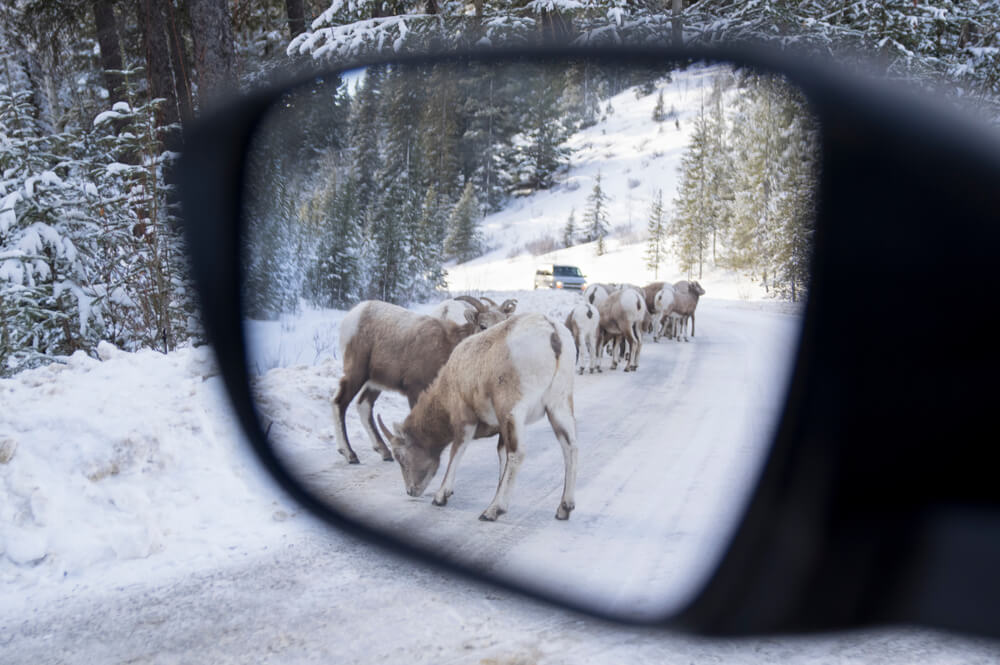
Which coverage usually applies to common animal collisions?
| Scenario | Coverage that typically applies | What to know |
| You directly hit a deer | Comprehensive | Animal strike; deductible and policy terms apply |
| You directly hit an elk | Comprehensive | Direct animal strike; deductible and policy terms apply |
| You directly hit a bear | Comprehensive | Generally treated as a direct animal strike |
| You hit a small animal | Comprehensive | Whether a claim makes sense depends on the damage and deductible |
| You swerve and hit a tree or guardrail | Collision | Your vehicle hit a fixed object, not the animal |
| You swerve and hit another vehicle | Collision and/or liability | Fault and coverage depend on the facts of the crash |
A liability-only policy generally doesn’t pay to repair your own car after a direct animal strike. If wildlife is part of your normal commute, it’s worth checking your policy before a deer checks it for you.
Why swerving can make a wildlife collision worse
Nobody wants to hit an animal, but yanking the wheel at highway speed can make things worse. A hard swerve can send you into oncoming traffic, another car, a tree, guardrail, ditch, or even a rollover.
If an animal appears, brake firmly when conditions allow, keep both hands on the wheel, and try to stay in your lane. The goal is to keep control and avoid a more serious secondary collision.
For other crash scenarios, Vern Fonk’s car accident resources cover what to do next.
How to avoid hitting deer and reduce your risk of hitting other wildlife
You can’t schedule wildlife, but you can give yourself more reaction time.
- Scan the shoulders. Look beyond the pavement for movement, silhouettes, or eyes reflecting your headlights.
- Slow down in wildlife corridors. Rural highways, wooded roads, and signed crossing areas deserve extra caution.
- Pay attention to deer crossing signs. They’re there because wildlife activity is known in the area, not because the sign department had extra metal.
- Expect more than one deer. If one crosses, keep slowing and keep looking. Another may be right behind it.
- Use high beams when it’s legal and safe. Better visibility can help you spot animals sooner but dim them for oncoming or nearby traffic.
- Be extra alert at dawn and dusk. In Washington, those low-light periods overlap with increased deer activity, especially in fall.
Check the car before you drive away
A wildlife strike can do more than leave a dent. Check the headlights, hood and grille, windshield, body panels, tires, fluids, warning lights, and airbags.
Deer and elk can also damage the radiator, cooling system, sensors, and parts behind the bumper. If anything looks questionable, don’t gamble on the drive home. Have the car inspected or towed.
Be ready before wildlife crosses your path
No one puts “deer encounter” on the weekend itinerary. Still, knowing what your policy covers can make the aftermath much easier.
Check whether you carry comprehensive coverage, know your deductible, and make sure your coverage still fits your vehicle. Vern Fonk can help you compare auto insurance options based on your car and coverage needs.
Get a quote online, call Vern Fonk at (800) 455-8276, or visit a local office to talk through your options.
Frequently asked questions about hitting a deer
Does insurance cover hitting a deer?
A direct collision with a deer is typically covered by comprehensive auto insurance, subject to your deductible, exclusions, limits, and policy terms. Liability-only coverage generally doesn’t pay for damage to your own vehicle.
Should I call the police after hitting a deer?
Call police or emergency services if someone is injured, the vehicle or animal is blocking traffic, the scene is unsafe, or you need help with a roadway hazard. Follow any state or local reporting rules that apply.
Is hitting a deer considered an at-fault accident?
A direct animal strike is generally handled as a comprehensive claim. Whether a claim affects your rates can depend on state rules, your insurer, claims history, and the circumstances.
What if the deer runs away?
Don’t chase it. Move somewhere safe, check for injuries, photograph your vehicle, note the location, and report the loss to your insurer. If the animal remains injured near the roadway, notify local authorities.
Does comprehensive insurance cover animal collisions?
Comprehensive coverage generally applies when your vehicle directly hits a deer or another animal, subject to your policy terms. If you avoid the animal but hit a fixed object or another car, collision coverage may apply instead.
Wondering what an accident can do to your premium? Vern Fonk explains some of the factors in its guide to higher insurance rates after an accident.
Related Articles
-

Uninsured Motorists: The Plot Twist You Didn’t Ask For
-March 17th 2025Picture this: You’re watching the latest and greatest action-adventure hit straight out of Hollywood, and the story[...]
Read more -
Oh Deer! What To Do When You Hit a Deer (or a Deer Hits You) While Driving
-September 16th 2024Picture this: you’re enjoying a relaxing drive, jamming out to your favorite playlist, and imagining yourself as[...]
Read more -
Why You Still Have to Pay in Washington State Even When You’re Not the Driver at Fault
-November 20th 2023Ah, Washington. Land of the evergreens, where your coffee comes strong, and your drives amidst nature are[...]
Read more