Blog
Can You Get Car Insurance Without a License in Washington?
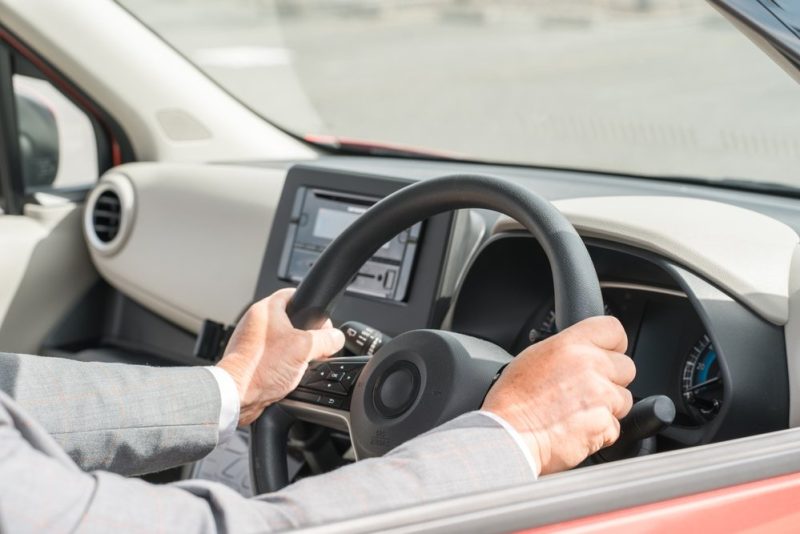
Can you get car insurance without a driver’s license in Washington? In some situations, yes. You may be able to insure a vehicle you own even if you don’t have a valid license. Your options depend on the insurer, who drives the car, and why you need coverage.
Maybe your license is suspended, someone else regularly drives your car, or you own a vehicle you don’t currently drive. Whatever the reason, remember this: Having insurance does not give an unlicensed or suspended driver legal permission to drive.
Here’s what Washington vehicle owners should know about getting coverage without a valid driver’s license.
The Unique Challenge of Insuring an Unlicensed Vehicle Owner
Insurance companies typically ask for driver’s license information to identify drivers and review their driving history.
If you own a vehicle but don’t have a valid license, the insurer will likely want to know who drives the car, where it’s kept, and how it’s used. Some insurers may allow an unlicensed vehicle owner to get coverage if a licensed person is properly listed as the primary driver.
These situations aren’t all the same:
- An unlicensed vehicle owner owns a car but doesn’t personally drive it.
- A driver with a suspended license may need insurance or proof of financial responsibility before becoming eligible for reinstatement.
- Someone with a learner’s permit has limited driving privileges and must follow Washington licensing requirements.
- A vehicle owner with another primary driver owns the car while a spouse, family member, caregiver, or another licensed person regularly drives it.
Give the insurer accurate information about the owner, drivers, vehicle use, and where the car is kept. This helps the insurer determine what coverage may be available.
Reasons Why You May Need Insurance Without a License
You may need coverage even if you don’t currently have a valid driver’s license. You might own a stored vehicle, rely on someone else to drive your car, be learning to drive, or have a suspended license and an SR-22 requirement.
Protecting a Non-Operational Vehicle
A car doesn’t have to be on the road to face risks.
A stored vehicle could still be damaged by theft, vandalism, fire, falling objects, or certain weather events. Depending on the insurer and circumstances, comprehensive-only or another type of storage coverage may be available for a vehicle that isn’t being driven.
Comprehensive coverage can help with certain covered non-collision losses, subject to your deductible and policy terms.
If the vehicle is financed or leased, your lender may require you to maintain specific coverage even while the car isn’t being driven. Registration requirements can also affect your options, so check what applies before reducing or removing coverage.
Review how to read your insurance policy to better understand your limits, deductibles, and exclusions.
Insurance for Car Owners Who No Longer Drive
You may stop driving because of age, health, or another personal circumstance but continue to own a vehicle that someone else uses.
Tell your insurer who regularly drives the car. A licensed spouse, family member, caregiver, or another person may need to be listed as the primary or regular driver.
Don’t assume the vehicle is covered regardless of who’s behind the wheel. The policy should accurately reflect who regularly uses the car.
Insuring a Vehicle You Own but Don’t Drive
You may own a vehicle that’s primarily used by someone else in your household.
Some insurers may allow the owner to remain on the policy while listing another licensed person as the primary driver. Requirements vary by insurer.
If another person owns or regularly drives the vehicle, it may also help to understand the rules around insuring someone else’s car.
Protecting a Vehicle While You’re Learning to Drive
Having a learner’s permit isn’t the same as having no driving privileges.
A permit allows someone to drive under specific restrictions. Insurance requirements for learners can depend on the insurer and household policy.
If you or someone in your household is learning to drive, contact the insurer and ask when the permit holder needs to be disclosed or added to the policy.
And while you’re learning, keep an eye out for more than other cars. Washington drivers may also encounter wildlife on the road.
Complying with SR-22 or Financing Requirements
A suspended license can create insurance requirements even when you aren’t currently allowed to drive.
Depending on the reason for the suspension, Washington may require proof of financial responsibility before you’re eligible to reinstate your license. An SR-22 is one way to provide that proof when required.
An SR-22 isn’t a type of car insurance. It’s a certificate your insurer files to show that you meet the state’s financial responsibility requirements.
Learn more about SR-22 insurance in Washington and how an SR-22 may help you get your license back.
Having an SR-22 or insurance policy doesn’t give you permission to drive while your license is suspended. You must meet Washington’s reinstatement requirements before getting behind the wheel.
Naming a Licensed Primary Driver
If you own the vehicle but don’t drive it, an insurer may allow you to list another licensed person as the primary driver.
That person might be:
- Your spouse
- An adult child
- Another household member
- A caregiver
- Another person who regularly drives the vehicle
The primary driver should accurately reflect who uses the car most often.
The insurer may also ask where the vehicle is primarily kept or garaged. This generally means the location where the car is normally stored. Give the insurer the correct address.
You should also disclose other people who regularly drive the vehicle. Leaving out a regular driver can create coverage issues if you later file a claim.
Depending on the insurer, an unlicensed owner may also need to be listed as an excluded driver. If you’re excluded, don’t assume the policy will cover you if you drive the vehicle.
What About Non-Owner Car Insurance?
Non-owner car insurance is generally designed for eligible drivers who don’t own a vehicle but need liability coverage when driving vehicles they don’t own.
It’s different from insurance for an unlicensed person who owns a car. If you own the vehicle, non-owner coverage generally isn’t intended to insure it.
A non-owner policy may be an option in some SR-22 situations when a person doesn’t own a vehicle, but eligibility and requirements vary.
Suspended Licenses and SR-22 Requirements in Washington
If your Washington driver’s license is suspended, first find out why and what you need to do to become eligible for reinstatement.
Washington may require proof of financial responsibility for certain suspensions. An SR-22 can provide proof when required.
If you’re unsure about your status, learn how to know if your Washington State driver’s license has been suspended.
Owner vs. Non-Owner SR-22 Coverage
The coverage you need with an SR-22 can depend on whether you own a vehicle.
If you own a car, you may need an auto policy that includes the required SR-22 filing.
If you don’t own a vehicle but need an SR-22, a non-owner policy may be an option if you qualify.
Requirements vary by situation. Learn more about how long you may need an SR-22 in Washington and confirm your requirements before changing or canceling coverage.
Overcoming the Obstacles
Getting car insurance without a valid license can take a few extra steps:
- Identify the licensed primary driver. Tell the insurer who regularly operates the vehicle.
- Explain your license status. Be clear about whether you’ve never been licensed, have a learner’s permit, or have a suspended license.
- Provide the correct garaging address. Tell the insurer where the vehicle is normally kept.
- Disclose regular drivers. Make sure the policy accurately reflects who uses the vehicle.
- Compare available options. Insurers may have different eligibility requirements.
- Check your SR-22 requirements. If you’re working toward reinstatement, find out whether Washington requires proof of financial responsibility.
Look for coverage that accurately reflects who owns, drives, and uses the vehicle.
What You’ll Need to Apply
Having the right information ready can make applying easier.
An insurer may ask for:
- Government-issued identification
- Vehicle identification number (VIN)
- Make, model, and year of the vehicle
- Registration or ownership information
- Address where the vehicle is normally kept
- Licensed primary driver’s name and driver’s license information
- Information about other regular drivers
- Details about how the vehicle will be used
- Information about a suspension or SR-22 requirement, if applicable
Requirements vary by insurer, so you may need additional information based on your situation.
Getting Coverage Without a License
You may be able to insure a vehicle in Washington without personally holding a valid driver’s license, but the policy should accurately reflect who owns and drives the car.
If you have a suspended license, check your reinstatement and SR-22 requirements before driving. If someone else regularly drives your vehicle, make sure they’re properly disclosed to the insurer. If your car is stored, ask what coverage is appropriate before changing your existing policy.
Vern Fonk can help you explore your options. Call (800) 455-8276, request a quote online, or visit your local Vern Fonk office in Washington.
Frequently Asked Questions About Car Insurance Without a License in Washington
Can I get car insurance if my Washington driver’s license is suspended?
Possibly. You may still need insurance if you own a vehicle or need proof of financial responsibility to meet reinstatement requirements.
Having insurance doesn’t give you permission to drive during a suspension. Check your license status and reinstatement requirements before operating a vehicle.
Do I need an SR-22 to reinstate my Washington driver’s license?
It depends on why your license was suspended or revoked. Washington requires proof of financial responsibility in certain situations, and an SR-22 is one way to provide it.
Check your specific requirements with the Washington State Department of Licensing before purchasing or changing coverage.
Can I get an SR-22 if I don’t own a car?
A non-owner policy with an SR-22 filing may be an option if you don’t own a vehicle and otherwise qualify.
A non-owner policy isn’t intended to insure a vehicle you own, so tell the insurer about your ownership situation when requesting coverage.
Can someone with a learner’s permit get car insurance in Washington?
Insurance options for permit holders depend on the insurer and household policy. A learner may need to be disclosed or added to an existing policy.
Contact your insurer when someone in the household gets a permit to find out when they need to be listed.
Can I register a vehicle in Washington without a driver’s license?
Vehicle ownership, registration, licensing, and insurance are separate issues. The documents you need depend on your situation and vehicle.
Check current Washington registration requirements and ask your insurer what identification and driver information you’ll need.
What if my financed car isn’t being driven?
Your lender may still require certain insurance coverages on a financed vehicle even when you aren’t driving it.
Before reducing coverage on a stored or non-operational financed vehicle, review your loan agreement and talk with your insurer and lender.
Can an unlicensed person legally drive an insured vehicle?
No. Having insurance on the vehicle doesn’t give an unlicensed person legal permission to drive.
You must have the appropriate valid license or permit and follow its restrictions before operating the vehicle.
Related Articles
-

“My Friend Was Driving!” The Truth About Permissive Use in Washington Auto Policies
-September 23rd 2026So, your buddy needed to “borrow your car real quick,” and you said, “Sure, just don’t crash[...]
Read more -
What Happens If Your Car Is Hit While Parked on a Ferry?
-August 28th 2026For many Washington drivers, ferry travel is a regular part of commuting, visiting family, or exploring the[...]
Read more -
The PNW Outdoor Adventure Insurance Checklist: Cars, Bikes, Boats, Campers, and Gear
-August 25th 2026The Pacific Northwest is a playground for outdoor enthusiasts, but every kayak strapped to a roof rack,[...]
Read more