Blog
Does Auto Insurance Cover Bike Racks, Cargo Boxes, and Rooftop Gear?

Auto insurance is a must-have for every driver in Washington, especially for those who love outdoor adventures and often haul bike racks, cargo boxes, or rooftop gear on their rides. Knowing how your insurance policy treats these cool add-ons can save you from headaches and keep your gear protected. Whether you’re cruising the mountains or hitting coastal trails, understanding the right coverage helps you stay safe, sound, and ready for your next adventure.
Auto Insurance Basics in Washington State
Washington law requires all drivers to prove financial responsibility to legally operate motor vehicles. For most people, that means carrying car insurance in Washington with at least the state minimum liability coverage: $25,000 bodily injury liability coverage per person, $50,000 per accident, and $10,000 property damage liability coverage (commonly called 25/50/10).
Here’s the catch: these minimums only pay for injuries and property damage you cause to others. They won’t cover repair costs for your own vehicle, your trusty Thule rack, or that rooftop tent you’ve been eyeing. If you’re financing a newer Subaru Outback or Toyota 4Runner, your lender will likely require “full coverage”—liability plus collision plus comprehensive coverage—especially for trips to Mount Rainier or Stevens Pass.
At Vern Fonk Insurance, we help Washington drivers understand these requirements while customizing auto insurance policies that fit your driving style and gear.
Core Auto Insurance Coverages for Pacific Northwest Drivers
Outdoor-loving Washington drivers rack up miles in all kinds of weather—rain, snow, and gravel forest roads. That’s why certain coverages are especially handy:
| Coverage Type | What It Protects | Why Adventure Drivers Need It |
| Liability Coverage | Others’ medical expenses and property | Higher limits protect your assets if you cause a serious accident |
| Collision | Your vehicle after impacts | Covers backing into a post with your hitch rack attached |
| Comprehensive | Theft, vandalism, weather damage | Protects against trailhead theft or falling branches |
| Medical Payments/PIP | Your medical bills regardless of fault | Covers passengers on road trips to ski resorts |
| Uninsured/Underinsured Motorist | You, when hit by uninsured drivers | About 12.6% of Washington drivers lack insurance |
Given the high cyclist and pedestrian density in cities like Bellingham and Tacoma, many adventure drivers opt for limits well above 25/50/10—something like 100/300/100 offers better protection without breaking the bank.
How Auto Insurance Treats Racks, Carriers & Rooftop Gear
This is where things get interesting for Pacific Northwest adventure drivers hauling bikes to North Bend, skis to Crystal Mountain, or kayaks to the San Juans.
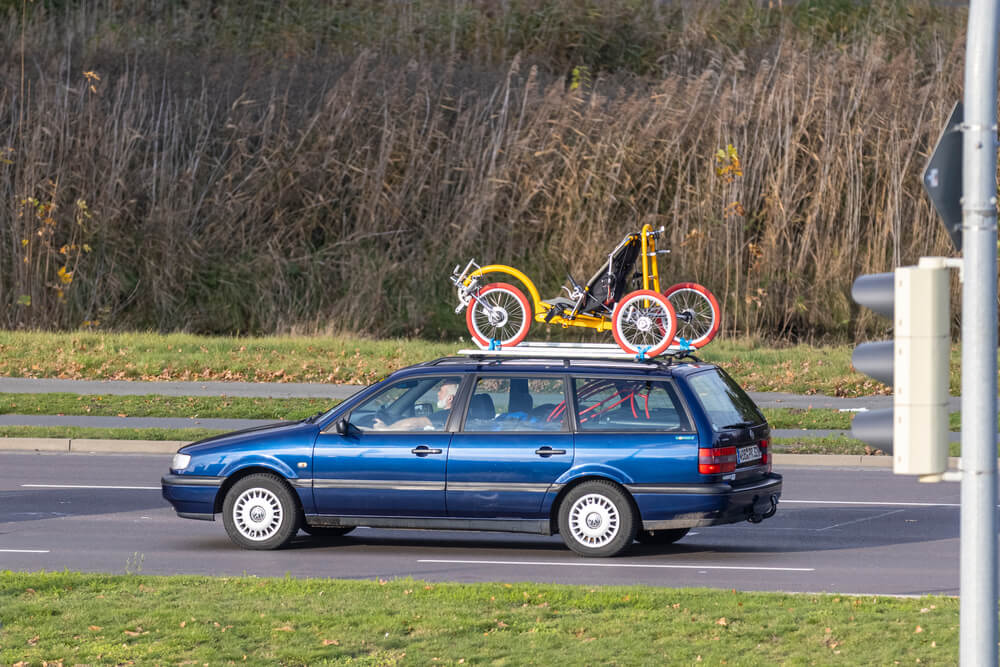
Permanent vs. Removable Accessories: Roof rails, crossbars, and professionally installed hitches are usually treated as part of your vehicle when permanently attached and declared on your policy. Your auto insurer generally extends collision and comprehensive coverage to these.
Aftermarket Racks & Carriers: Name-brand hitch racks and cargo boxes can sometimes qualify for coverage under auto physical damage—if they’re bolted or locked in place at the time of loss. But coverage varies by insurer, so always double-check with your agent.
Loose Gear and Contents: Here’s a little surprise—bikes, skis, snowboards, coolers, and camping gear are usually not covered by your auto policy. Instead, they fall under homeowners or renters insurance, with their own deductibles and limits.
Rooftop Tents and Overlanding Setups: These trendy accessories often need custom equipment coverage with itemized values. Keep your receipts and photos handy!
Coverage Scenarios: Real-World Examples for Adventure Drivers
- Trailhead Theft at North Bend: You come back from a hike and find your hitch rack and mountain bikes gone. The rack might be covered under auto comprehensive (if listed), but your $4,000 bikes likely claim through homeowners insurance at actual cash value minus your deductible.
- Low-Clearance Garage Accident: Oops! You forget about your cargo box in a Seattle parking garage? Collision coverage handles your vehicle and potentially the attached rack—but damaged skis inside are personal property, not auto.
- Rear-End Crash on I-5: Another driver hits you near Olympia with road bikes on your hitch. Their property damage liability coverage may pay up to their limits. If they’re underinsured, your collision and uninsured motorist coverage can help fill the gap.
- Windstorm in Tacoma: A falling branch damages your roof rack and cargo box. Comprehensive coverage usually handles vehicle and rack damage, while your camping gear inside falls to property insurance.
- Forest Road Rock Strikes: Gravel and debris on the way to a trailhead can damage undercarriage and rack attachments—collision or comprehensive may apply depending on how the loss occurs.
Washington-Specific Rules, SR-22, and High-Risk Drivers
Washington’s mix of city traffic and remote highways means some drivers need specialized filings. An SR-22 is a certificate of financial responsibility often required after DUIs, license suspensions, or at-fault accidents. Vern Fonk Insurance regularly arranges SR-22 filings for local drivers.
Tickets on I-90 or US-2 can bump up your premiums and push you into high-risk territory. Lifted vehicles with off-road tires and rooftop tents should be accurately described to your auto insurer—undisclosed mods can void coverage when you need it most.
Failing to maintain required insurance (including an active SR-22 when mandated) leads to license suspension and fines in Washington State. So don’t be that driver!
Optional Coverages that Matter for Outdoor Lifestyles
Beyond the basics, these optional add-ons deliver real value for adventure drivers:
- Roadside Assistance: Towing from remote trailheads, jump-starts on cold mornings at Stevens Pass, tire changes on gravel turnouts.
- Rental Reimbursement: Pays for a rental car while your adventure rig is in the shop—including when your roof rack needs repair.
- Custom Equipment Coverage: Essential for pricey rooftop tents, aftermarket bumpers, and overlanding gear permanently attached to your vehicle.
- Gap Coverage: Protects drivers financing newer vehicles with thousands in accessories who’d otherwise owe more than the car’s worth after a total loss.
- Umbrella Liability Insurance: Adds extra liability protection beyond auto limits—great for drivers who regularly transport friends to the mountains.
Savings and Discounts for Washington Adventure Drivers
Smart savings don’t mean skimping on protection. Vern Fonk Insurance compares multiple insurers to find available discounts while ensuring your racks and gear are properly covered:
- Multi-Vehicle/Multi-Policy: Insure your adventure rig and daily commuter together, bundle with homeowners insurance.
- Good Driver: Clean driving record? Save 20% or more compared to drivers with incidents.
- Telematics: Optional programs reward smooth braking and consistent speeds—even weekend mountain pass trips qualify.
- Good Student Discount: Teen drivers with 3.0+ GPA can save 10-15%.
- Safety Features: Vehicles with automatic emergency braking and lane-keep assist sometimes qualify for lower car insurance rates.
Average Washington premiums run about $1,200/year for full coverage—savings through an independent agency can add up to $300-500 annually.
How Vern Fonk Insurance Helps Pacific Northwest Drivers
Vern Fonk Insurance is Washington-based and gets the local roads, weather, and outdoor lifestyles. As an independent agency, we access multiple carriers to find policies that properly recognize aftermarket racks, rooftop tents, and specialty setups.
Our agents ask about how often you drive to trailheads, what gear you haul, and where your vehicle parks at night. Whether you need SR-22 support or just want to save money on your auto policy, we provide personalized coverage reviews that reflect your reaL usage.
How to Prepare for a Quote When You Have Racks & Rooftop Gear
Gather this info before contacting Vern Fonk for an accurate quote:
- Vehicle Details: VIN, year, make, model, current mileage, any mods.
- Accessory Inventory: Roof racks, crossbars, hitch racks, cargo boxes, rooftop tents with purchase dates and costs.
- Driving Habits: Annual mileage, weekly commute, frequency of trips to Crystal Mountain or coastal campgrounds.
- Current Coverage: Bring existing policy declarations to compare coverage limits and deductibles.
- Household Needs: Mention any homes, apartments, motorcycles, or small businesses for potential bundling.
Ready to Protect Your Adventure Rig with the Best Cheap Car Insurance in Washington?
Don’t leave your bike racks, cargo boxes, or rooftop gear unprotected on your next Pacific Northwest adventure. Call Vern Fonk today at (800) 455-8276 to speak with one of our knowledgeable agents who understand your unique needs. You can also request your free quote online or stop by your local Vern Fonk office for personalized service.
Secure the right car insurance in Washington tailored for your lifestyle and gear—so you can hit the road with confidence and peace of mind. Your adventure starts with smart protection!
FAQs
When it comes to protecting your adventure gear, understanding how your auto insurance works with racks, cargo boxes, and rooftop setups is essential. Here are answers to some common questions Washington drivers ask about coverage for their outdoor equipment.
Does My Auto Insurance Cover My Bikes or Skis If They’re Stolen From My Rack?
Usually, standard car insurance doesn’t cover bikes or skis stolen from a rack—they’re personal property. Homeowners or renters insurance typically handles these claims, with limits and deductibles. Washington drivers who regularly carry high-value bikes should consider scheduling them separately on a property policy. A Vern Fonk agent can help you figure out the best approach since policies vary.
If My Cargo Box Flies Off on I-90 and Causes a Crash, Am I Covered?
Your liability insurance may pay for harm to others and property damage up to your coverage limits. Damage to your own vehicle or box would typically fall under collision or comprehensive coverage. Make sure accessories are properly installed and disclosed to your insurer—and consider higher limits if you often travel at highway speeds with gear attached.
Are Rooftop Tents and Overlanding Setups Automatically Covered by Auto Insurance?
Rooftop tents aren’t always automatically covered. Many insurers treat them as custom equipment requiring added coverage or itemization. Keep receipts and photos ready, and talk replacement values with a Vern Fonk agent. Coverage rules differ between carriers, which is why working with an independent agency pays off.
Does It Matter If I Drive on Forest Roads or Only Stay on Pavement?
Most personal auto policies in Washington cover normal use on public roads, including maintained forest roads. But they’re not designed for competitive off-road events. If you regularly drive rough routes, tell your agent so expectations about undercarriage damage and recovery costs are clear.
Can I Get Coverage If I’ve Had Tickets or Need an SR-22 in Washington?
Yes! Drivers with tickets, accidents, or SR-22 requirements can usually still get insurance, though premiums may be higher. Vern Fonk Insurance specializes in helping Washington drivers file SR-22 forms and find carriers willing to insure vehicles with racks and rooftop gear. Don’t wait—driving without proper insurance or an active SR-22 leads to fines and license issues.
Related Articles
-

“My Friend Was Driving!” The Truth About Permissive Use in Washington Auto Policies
-September 23rd 2026So, your buddy needed to “borrow your car real quick,” and you said, “Sure, just don’t crash[...]
Read more -
What Happens If Your Car Is Hit While Parked on a Ferry?
-August 28th 2026For many Washington drivers, ferry travel is a regular part of commuting, visiting family, or exploring the[...]
Read more -
The PNW Outdoor Adventure Insurance Checklist: Cars, Bikes, Boats, Campers, and Gear
-August 25th 2026The Pacific Northwest is a playground for outdoor enthusiasts, but every kayak strapped to a roof rack,[...]
Read more