
Blog
“My Friend Was Driving!” The Truth About Permissive Use in Washington Auto Policies
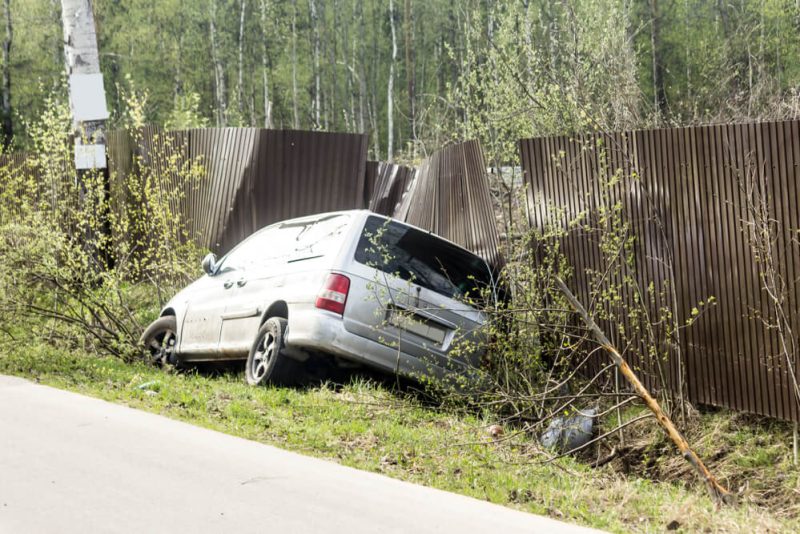
So, your buddy needed to “borrow your car real quick,” and you said, “Sure, just don’t crash it.” Next thing you know, they’ve turned your Honda into a hood ornament on someone’s fence.
Now you’re wondering, “Does my insurance cover my friend driving my car?” The answer depends on your car insurance policy, who was driving, how often they use the vehicle, what they were using it for, and whether they had permission.
Understanding Permissive Use: When Your Friend Borrows Your Car
Permissive use generally means someone drives your vehicle with your permission. That person may not be listed on your policy, and depending on the insurer and policy, some of your coverage may apply while they’re driving.
The key word is “may.” Coverage can vary based on the policy, driver, vehicle use, exclusions, and circumstances of the accident.
For example, lending your car to a friend once to run an errand is different from letting your roommate drive it to work several times a week. A household member or regular driver generally needs to be disclosed to your insurer and may need to be added to the policy.
Permission can also be complicated. It may be:
- Express permission: You directly told someone they could use the car.
- Implied permission: Your previous behavior may indicate that the person was allowed to use it.
- Use beyond the permission given: You allowed a quick trip to the store, but your friend decided that apparently meant a three-day road trip.
If someone takes your vehicle without permission, different coverage rules can apply. That’s why it helps to understand your specific policy rather than relying on common insurance myths.
Does My Insurance Cover Other Drivers?
You may have heard that car insurance “follows the car.” That can be a useful shortcut, but it doesn’t tell you which policy pays first in every situation.
When someone borrows your vehicle with permission, your policy may apply after a covered accident. The borrower’s own auto insurance may also apply. Which policy is primary or excess depends on the terms of both policies.
How each type of coverage applies can vary, too.
- Liability coverage may help pay for injuries or property damage the permissive driver causes to someone else, up to the applicable policy limits.
- Collision coverage, if included in the policy, may help pay for damage to your vehicle after a covered collision, subject to the deductible and policy terms.
- Comprehensive coverage generally applies to covered non-collision losses involving the insured vehicle, such as theft or certain weather-related damage. It isn’t typically the coverage used simply because a friend crashed the car.
- Personal injury protection (PIP), if included in the policy, may help with certain accident-related medical expenses. Who qualifies and what benefits apply depend on the circumstances and policy terms.
The borrower’s own insurance could also become relevant, particularly when damages exceed what the vehicle owner’s policy covers. But don’t assume either policy will automatically cover everything.
The safest move is to read your insurance policy or ask your insurer how occasional drivers are handled.
Occasional Driver vs. Regular Driver
There’s a big difference between your friend borrowing your car once and someone driving it regularly.
Consider these situations:
- A friend borrows your car once: This may fall under permissive use if your policy allows it.
- Your roommate drives your car every week: They may be considered a regular driver and should generally be disclosed to your insurer.
- Your adult child comes home from college: Whether they need to be listed can depend on where they live, how frequently they drive the vehicle, and the insurer’s requirements.
- Someone drives during an emergency: Coverage still depends on the circumstances and policy language.
- Your friend uses your vehicle for delivery work: Personal auto policies may limit or exclude certain business or delivery uses.
If someone regularly drives your vehicle, don’t assume permissive use is a substitute for listing them on the policy. This is particularly important for household members, including a partner or spouse. Learn more about adding your significant other to your car insurance.
And if you regularly drive vehicles you don’t own, you may want to learn how non-owner car insurance works.

Exceptions to the Rule: When Permissive Use Doesn’t Apply
Permissive use does not mean anyone can grab your keys and automatically receive the same coverage you do.
One of the clearest examples is an excluded driver. If your policy specifically excludes someone from coverage, allowing that person to drive could leave you without coverage for some or all of a resulting claim, depending on the policy and applicable law.
Other situations require a closer look.
For example, don’t assume that an accident involving an unlicensed or intoxicated driver automatically means there is no insurance coverage. Illegal conduct can create serious legal and coverage issues, but whether a particular claim is covered depends on the policy language and circumstances.
Vehicle use matters too. Personal auto insurance may not cover certain commercial activities, including delivery or rideshare work. If your friend borrows your car to make deliveries, check the policy before assuming they’re covered.
The same goes for someone who uses your car beyond the permission you gave them. Permission to drive five minutes to the grocery store isn’t necessarily permission to take your car to Portland for the weekend.
When in doubt, check your policy for exclusions and potential insurance coverage gaps.
Consequences of Accidents Under Permissive Use
Let’s say your friend borrows your car with permission and crashes into a light pole. Even if the accident is covered, you may still feel the financial effects.
Depending on the claim and your policy, you could face:
- A deductible for damage to your own vehicle
- A claim on your insurance history
- A possible premium change
- Damage or expenses that aren’t covered
- Damages that exceed the available liability limits
If your friend has auto insurance, their policy may provide additional or secondary coverage in some circumstances. Exactly how the two policies work together depends on their terms and the claim.
Your own vehicle coverage matters too. Liability insurance doesn’t pay to repair your car after a collision. Collision coverage generally handles covered crash damage to your vehicle, while comprehensive covers certain non-collision losses. If you’re unsure what those terms mean, read more about what “full coverage” really means.
And if your friend leaves you stranded with a damaged car, roadside assistance may come in handy, depending on your coverage.
Before You Hand Over the Keys
Before your friend pulls out of the driveway, ask a few questions:
- Do they have a valid driver’s license?
- Do you know their driving history?
- Where are they going?
- What will they use the vehicle for?
- How long will they have it?
- How often do they drive your car?
- Do they live in your household?
- Do they have their own auto insurance?
If the person regularly uses your vehicle or lives with you, contact your insurer to find out whether they should be listed on the policy.
Legal Implications of Permissive Use Driving in Washington State
Permission can play an important role when determining insurance coverage after someone else drives your vehicle in Washington, but the details matter.
If someone takes your vehicle without permission, the situation is different from voluntarily lending it to a friend. Coverage and liability will depend on the circumstances, applicable law, and your policy.
That’s a little jargony, so let’s translate this from insurancese to English.
Say your cousin Jimmy grabs your keys while you’re asleep and takes your car without permission. That’s very different from telling Jimmy he can borrow the car to grab dinner.
The details can get even messier when someone initially has permission but goes beyond what you allowed. That’s another reason it’s important to be clear about who can use your vehicle and for what purpose.
If someone steals your vehicle, comprehensive coverage, if you carry it, may help cover the insured vehicle itself subject to your policy terms and deductible. Claims involving unauthorized use or theft can be complicated, so contact your insurer promptly and follow any required reporting procedures.
What If You’re Driving Someone Else’s Car?
The same questions work in reverse.
If you borrow someone else’s vehicle with permission, their auto policy may provide primary coverage, depending on the policy. Your own insurance may provide secondary or additional coverage in certain circumstances.
Don’t assume your personal policy automatically gives you identical coverage in every vehicle you drive. Before regularly borrowing or insuring a vehicle that belongs to somebody else, learn more about whether you can insure someone else’s car.
Friend Behind the Wheel? No Worries. Vern Fonk’s Got You Covered
Helping a friend out is great. Finding out after an accident that your policy doesn’t cover what you thought it did? Not so great.
Before tossing someone the keys, make sure you understand your policy’s permissive-use rules, exclusions, coverage limits, and requirements for household or regular drivers.
Vern Fonk can help you understand your options and find auto insurance that fits your needs. Get a quote today online, call (800) 455-8276, or visit us in person to get started.
Frequently Asked Questions About Permissive Use
Does My Insurance Cover Someone Else Driving My Car?
It may. If the person has your permission and qualifies as a permissive driver under your policy, some coverage may extend to them. However, coverage varies by insurer, policy terms, driver, vehicle use, and exclusions.
Do I Need to Add Someone Who Occasionally Drives My Car?
Not necessarily. An occasional permissive driver may not need to be listed, depending on your insurer and policy. Someone who lives with you or regularly drives your vehicle may need to be disclosed or added. Check with your insurer rather than assuming occasional-use rules apply.
What Happens If My Friend Crashes My Car?
If your friend had permission to drive and the accident is covered, your auto policy may apply. Your friend’s insurance may also apply, and the terms of both policies determine which coverage pays first. Liability coverage may help with injuries or property damage your friend causes, while collision coverage may help repair your vehicle if you carry it. Deductibles, limits, and exclusions can all affect the outcome.
Does My Insurance Cover Me Driving a Friend’s Car?
Your friend’s auto policy may cover you when you have permission to drive their vehicle, and your own policy may also apply. Which policy is primary or excess depends on the terms of both policies.
Does Permissive Use Cover a Roommate Who Drives My Car Regularly?
Don’t count on it. Permissive use is generally associated with occasional borrowing, not a way to avoid listing someone who regularly drives the vehicle. Tell your insurer about household members or regular drivers so they can determine whether that person needs to be added.
Can My Friend Use My Car for Food or Package Delivery?
Personal auto policies may limit or exclude certain business, rideshare, or delivery activities. If someone plans to use your vehicle for work, check your policy before handing over the keys. happen. Get a quote today online, give us a call at (800) 455-8276, or visit us in person to get started!
Related Articles
-

What Happens If Your Car Is Hit While Parked on a Ferry?
-August 28th 2026For many Washington drivers, ferry travel is a regular part of commuting, visiting family, or exploring the[...]
Read more -
The PNW Outdoor Adventure Insurance Checklist: Cars, Bikes, Boats, Campers, and Gear
-August 25th 2026The Pacific Northwest is a playground for outdoor enthusiasts, but every kayak strapped to a roof rack,[...]
Read more -
Why Parking Lots Are the Most Dangerous Roads You Use
-August 13th 2026You’re creeping through a packed grocery store lot; eyes locked on a spot near the entrance, when—crunch. Another car just[...]
Read more


