
Blog
Why Are There So Many “Student Driver” Bumper Stickers in Washington?
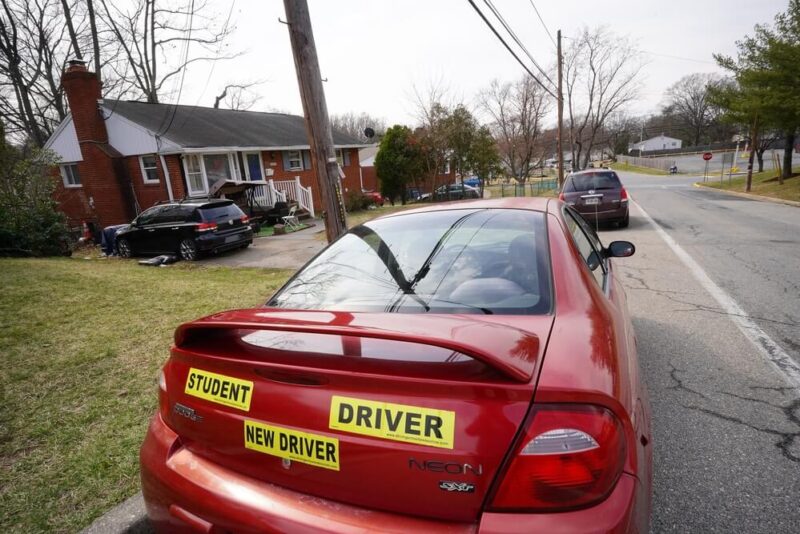
You’ve seen them, right? “Student driver” bumper stickers. They seem to be everywhere. You’re driving down I-5, cruising through downtown Seattle, or even winding along a back road in Snoqualmie. There it is — another sticker plastered on a car’s bumper. It’s like they’re multiplying. But what gives? Why the sudden spike? So what’s the deal with all these stickers? Are there more teen drivers, or is there something else going on here?
The increase in student driver bumper stickers has been noted across various cities in the United States. There are no legal consequences for a person who is not a student driver but displays a student driver sticker on their vehicle. And how does this all impact Washington car insurance rates?
You might also be wondering whether or not they even work. And how you should react if you encounter one (Hint: Go easy on the new driver, alright?).
The Birth of the Student Driver Sticker Phenomenon
Not too long ago, you didn’t see these stickers much. A new driver was just that — a new driver. They weren’t putting it out there for the world to know. If someone was learning, you’d maybe notice from a jerky stop at a light or a struggle to parallel park on a narrow street. Now, it’s different. The student driver bumper stickers are all over.
But why the change? It’s partly Washington’s driving conditions. The rain. The traffic. The hilly streets. It’s rough even for experienced drivers. For a beginner, it’s a nightmare. The sticker gives them a bit of grace, some extra room for error. It’s like an unspoken agreement — “Hey, go easy on me.” It’s just one of the many ways Gen Z is changing the auto insurance industry.
Why Student Driver Stickers Are Everywhere in Washington
Student drivers, easily spotted by a student driver sticker or p plate on their car, bring a unique energy to Washington’s roads. Unlike seasoned drivers who navigate traffic almost on autopilot, new drivers tend to approach every turn, stop sign, and lane change with a healthy dose of caution. This carefulness is a double-edged sword: it helps prevent collisions, but it can also lead to hesitancy or slower reactions, especially in tricky situations like merging onto a busy highway or inching through a crowded intersection.
Washington Traffic Conditions and Driving Challenges
Washington’s weather and geography create unique challenges for drivers. Rain is a near-constant companion, making roads slick and visibility poor. Combine that with heavy traffic in urban areas like Seattle and tricky hilly terrain, and even experienced drivers can find it stressful. For new drivers, these conditions can be overwhelming. Student driver bumper stickers signal to other drivers that this vehicle might move slowly, stop suddenly, or hesitate at turns, and some learners also turn to online defensive driving courses to build confidence and earn insurance discounts. This encourages others to be more patient and cautious, reducing the risk of a collision or road rage incident.
Population Growth and First-Time Drivers
Washington’s population has been growing steadily, with many families moving into the state. This influx means more first-time drivers hitting the roads, especially teenagers getting their licenses for the first time. With more new drivers, it’s natural to see more student driver bumper stickers. These stickers serve as a helpful warning to other drivers who might otherwise get frustrated with slower or less confident driving.
More Adult and Late-Life Learners
It’s not just teens displaying these stickers. Many adults are learning to drive later in life, whether due to relocation, lifestyle changes, or regaining confidence after a long break. These late-life learners also benefit from the patience and extra space that a student driver sticker can encourage. The sticker helps communicate their status to other drivers, who might otherwise expect more experienced behavior.
Changes in Driver’s Education and Training Models
Driver’s education has evolved significantly in recent years. The teaching process for new drivers now often includes not only classroom instruction but also practical experience on the road, where signage like student driver bumper stickers signals to others that a learning or instruction phase is in progress. Online classes, private driving schools, and more flexible training schedules mean that people can start learning to drive year-round, not just during summer months.
This shift has increased the number of new drivers on the road at any given time, contributing to the rise in student driver bumper stickers. Using a student driver bumper sticker or magnet is a common strategy to improve safety for novice motorists. Additionally, some insurance companies recommend these stickers as a safety measure, helping reduce accidents and claims, alongside broader strategies focused on improving your driving record in Washington.
Do Student Driver Stickers Actually Work?
Student driver bumper stickers have become a common sight on roads across the country, sparking curiosity and sometimes confusion among other drivers. These bright, often yellow stickers aim to signal that the person behind the wheel is still learning, hoping to encourage patience and caution from fellow motorists.
But with so many drivers sporting these stickers—some of whom don’t appear to be beginners at all—it’s natural to wonder: Do these stickers really make a difference? Are they effective in reducing accidents and road rage, or are they just another trend?
How Other Drivers Tend to React
When drivers see a student driver sticker, many instinctively give a little more space and patience. They understand the driver is probably nervous or inexperienced and might make sudden stops or slow turns. However, reactions vary. Some drivers ignore the sticker completely, while others might even become mad or impatient, especially if they perceive the driver as overly cautious or slow.
In some cases, frustrated drivers have even honked at student drivers when they feel their progress is being delayed. There are also reports of some drivers using the sticker as an excuse for poor driving behavior, which can frustrate other road users.
What Studies and Driving Experts Suggest
Research on the effectiveness of student driver stickers is mixed. Some studies indicate that these stickers encourage other drivers to maintain extra following distance and avoid aggressive maneuvers, which can help reduce accidents. For example, New Jersey’s mandatory decal program for new drivers showed a correlation between displaying identification stickers and decreased crash rates among newly licensed drivers.
Driving experts generally agree that while stickers don’t guarantee safety or special protections, they can promote more cautious driving behavior around marked vehicles.
Situations Where Stickers Help — and Where They Don’t
Student driver stickers are most helpful in situations where visibility is reduced, such as in bad weather, heavy traffic, or complex intersections. They alert other drivers to be patient and cautious, which can prevent collisions caused by sudden stops or hesitations. However, stickers don’t protect drivers from legal consequences if they break traffic laws. Police officers do not provide special protections or leniency just because a driver displays a student driver sticker. Additionally, the stickers don’t prevent road rage in all cases; some drivers may still react aggressively regardless of the sticker.
What to Do When You See a Student Driver Sticker
Student driver bumper stickers are popping up everywhere, catching the attention of drivers nationwide. These stickers signal that the person behind the wheel is still learning, encouraging others to be patient and cautious. But with so many stickers on cars driven by seemingly experienced drivers, questions arise about their true purpose and effectiveness. Let’s explore why these stickers are so popular and what they really mean on the road.

Common Mistakes to Avoid Around New Drivers
If you see a student driver sticker or a board indicating a new or inexperienced driver, it’s best to give the driver extra room and be patient. Avoid tailgating or honking unnecessarily, as this can increase the driver’s anxiety and lead to unsafe maneuvers. Don’t try to pass aggressively or cut them off, especially on narrow roads or in heavy traffic.
Be cautious when merging or changing lanes near these vehicles, and allow them extra time to make decisions, especially on longer trips where roadside assistance coverage for Washington road vacations can provide added peace of mind if something goes wrong. Also, avoid lingering in the left lane, especially when following a student driver, to help maintain proper traffic flow and lane discipline.
Remember, everyone was a new driver once, and a little patience can go a long way in keeping the roads safer for everyone.
Are You a New Driver? Make Sure You Have the Best Coverage with Vern Fonk
The stickers scream, “Hey, I’m new here, don’t honk!” Popular messages on student driver stickers include “Please Be Patient, Student Driver” and “New Driver: Please Keep Distance.”
They may not magically make drivers better, but they just might help avoid road rage and keep new drivers out of trouble on the road. Plus, they give stressed-out parents a little peace of mind. While not required, a sticker adds a touch of extra safety, even if it’s just saying, “Cut me some slack, I’m figuring out this whole driving thing!”
Do you know what else you might need? A good auto policy. To get started with your own customized quote as a new driver, get a quote online, give us a call at 800-455-8276, or visit your local Vern Fonk office today.
FAQs About Student Driver Stickers
Are Student Driver Stickers Required in Washington?
In Washington, student driver stickers are not legally required. They are voluntary and primarily used to inform other drivers that the vehicle may be operated by a new or inexperienced driver. While not mandated, displaying a student driver sticker can also influence how cops interact with you during a traffic stop, as law enforcement may recognize the sticker and take into account the driver’s inexperience.
Are Student Driver Stickers Just an Excuse for Bad Driving?
Some people believe that student driver stickers are used as an excuse for poor driving behavior, and there is some truth to that perception. While the stickers are intended to promote patience and caution from other drivers, some individuals may misuse them to justify reckless or inattentive driving.
For example, a friend once put a student driver sticker on their car as a joke to excuse their own questionable parking skills. Parents often use these stickers when their kid is learning to drive, signaling to others that a young or inexperienced driver is behind the wheel, and they should also understand how permissive use works in Washington auto policies if friends or family members occasionally drive the car. It’s important to remember that a sticker does not grant permission to break traffic laws or drive unsafely.
Do Student Driver Stickers Affect Car Insurance?
Displaying a student driver sticker does not directly affect your car insurance rates. However, insurance companies often recognize that new drivers are at higher risk and may offer specialized new driver insurance policies. Some insurers encourage the use of student driver stickers or magnets as a safety measure to help reduce accidents, which can indirectly benefit insurance claims and rates. Ultimately, safe and cautious driving is the best way to maintain favorable insurance costs.
Related Articles
-

How Much Does a Driver’s License Cost in Washington State? (Spoiler: You Don’t Need To Sell a Kidney)
-February 25th 2026If you’re itching to get behind the wheel in Washington State, you’re probably wondering, “How much does a driver’s license cost[...]
Read more -
How to Know if Your Washington State Driver’s License Has Been Suspended
-February 17th 2026How to Know if Your Washington State Driver’s License Has Been Suspended Ever get the feeling a[...]
Read more -
Rain, Sleet, Potholes: Why February Is the PNW’s ‘Plot Twist’ Month for Car Insurance
-February 4th 2026Up here in the delightful PNW, weather can do cute mists, angry rain, and everyone’s favorite, “SURPRISE[...]
Read more


