
Blog
Pacific Northwest Moss: How It Damages Washington Homes (and When Home Insurance Helps)

In the heart of the Pacific Northwest, where towering evergreens meet misty skies and rain is a frequent visitor, a quiet invader thrives—moss. To the untrained eye, its lush green carpets on roofs, decks, and siding might seem like a charming hallmark of the region’s natural beauty. But beneath this verdant veil lies a hidden threat to Washington homeowners. Over time, this persistent moss traps moisture, stealthily weakening the very structures meant to protect families and their belongings. Imagine a beloved home slowly succumbing to unseen rot, gutters clogging with mossy debris, and decks turning slippery and unsafe—all while the rain keeps falling.
This is the story of Pacific Northwest moss: a natural wonder that can quietly damage homes, lead to costly repairs, and challenge the limits of home insurance coverage. Understanding how homeowners insurance typically treats moss-related damage is essential for every Washington homeowner who wants to protect their investment and find peace of mind amidst the region’s wet climate.
Key Takeaways
- Pacific Northwest moss thrives in Western Washington’s wet climate, trapping moisture on roofs, siding, and decks that quietly degrades building materials over time.
- Untreated moss buildup can shorten roof life by 5–10 years, warp siding, clog gutters, and rot decks and fences.
- Most home insurance policies cover sudden, accidental damage (like a windstorm tearing off a moss-weakened roof panel) but typically exclude long-term damage from neglected moss or gradual water intrusion.
- Simple maintenance—annual roof and gutter inspections, soft-wash cleaning, trimming trees, and proper attic ventilation—prevents most moss-related claims and expensive repairs.
- Vern Fonk Insurance can review your homeowners policy, explain what moss and water damage it does or doesn’t cover, and provide a customized homeowners insurance quote for Washington homes.
Why Pacific Northwest Moss Is a Big Deal for Washington Homeowners
Drive through any neighborhood in Seattle, Tacoma, Everett, or Olympia and you’ll spot them: roofs with that distinctive green tinge, shaded lots where ferns and plants carpet every surface. Charming? Absolutely. Hiding thousands of dollars in potential damage? Also yes.
The Pacific Northwest is home to over 700 species of moss, which play vital ecological roles and absorb moisture directly from the humid coastal air. While moss acts as a natural, green, living mulch that retains moisture and prevents soil erosion in gardens, the same moisture-holding properties create serious problems when moss colonizes your roof, siding, or deck.
The region’s climate data tells the story: cities like Seattle and Bellingham see 150+ rainy days per year, with frequent drizzle from October through April creating ideal conditions for moss growth. Dense tree cover reduces sunlight to roof surfaces, and cool temperatures keep everything damp for months.
This article will help Washington homeowners understand how moss causes property damage, what maintenance to prioritize, how your homeowners insurance cover options typically treat moss-related losses, and when specialized insurance for manufactured homes may be necessary.
How Moss Grows and Spreads on Pacific Northwest Homes
Moss spores land on any cool, damp surface—north-facing asphalt roofs, wood shake shingles, concrete tiles, wood siding, decks, and shaded concrete walkways. Unlike plants with true roots, moss uses hair-like rhizoids to anchor itself while its sponge-like structure holds water against your home.
Moss thrives in acidic soil and serves as a living ground cover, which is why it spreads so readily in the Pacific Northwest. Clumps of moss function as microhabitats, providing shelter for microorganisms and hibernating invertebrates—great for forest ecosystems, not so great for your shingles.
Typical growth patterns by location:
- Thin green film on asphalt shingles along roof ridges
- Thick patches accumulating in roof valleys where water collects
- Fuzzy strips along siding lap joints in shaded areas
- Slippery mats on wood stairs, decks, and fences
In coastal and Puget Sound areas like Bremerton, Port Angeles, and Edmonds, salty air plus moisture accelerates growth on roofs and metal surfaces. Moss often appears 3–5 years into a roof’s life in shaded neighborhoods and can become a serious problem by years 8–12 if never treated.
Specific Ways Moss Damages Roofs, Siding, Gutters, and Decks
Moss damage is gradual and often hidden. Many homeowners only notice problems when leaks or rot become severe—and expensive.
Roof damage:
- Moss lifts shingle edges and pries up corners, breaking waterproof seals
- Protective granules on asphalt shingles break down under constant moisture
- Water seeps into underlayment and sheathing, causing rot over multiple seasons
- Moss around skylights and chimneys creates dams, forcing rainwater under flashing
Siding damage:
- Moss and algae hold moisture against wood or fiber cement
- Paint blisters, wood swells and rots, caulking fails around windows and doors
Gutter problems:
- Moss and debris form thick clogs blocking water flow
- Overflow saturates fascia boards and exterior walls
- Water wicks into wall cavities, contributing to foundation and basement moisture issues
Decks, stairs, and fences:
- Surfaces become dangerously slippery (creating potential liability concerns)
- Water trapped in board gaps and around fasteners accelerates rot
- Neglected wood attracts carpenter ants and termites to softened material
From Moss to Moisture Damage: Leaks, Rot, and Mold Inside Your Home
The real risk isn’t the green growth itself—it’s the long-term moisture moss holds against your house, eventually allowing water to move inside.
Recurring roof leaks from moss-damaged shingles can lead to rotting roof decking, mold growth in attics, stained ceilings, and damaged insulation within just a few wet seasons. Chronically overflowing gutters cause water to wick into wall cavities, rot rim joists, and wet basement or crawlspace walls.
Long-term dampness from moss-covered siding and decks attracts pests like carpenter ants or termites to softened wood, compounding repair costs significantly. Prolonged hidden moisture can support mold growth behind walls and ceilings, which may require professional remediation.
The cost range for Washington homeowners is substantial: from a few hundred dollars for localized deck repair to tens of thousands for full roof replacement plus interior water damage restoration. A roof with significant moss damage can lose 5–10 years of its expected lifespan.
Preventing Moss Damage: Practical Maintenance for Washington Homes
Prevention is far cheaper than repair. A simple seasonal checklist dramatically reduces moss problems and potential claims.
Annual maintenance priorities:
- Inspect the roof at least once yearly (late spring after peak moss season) for green patches, lifted shingles, granule loss, and soft areas
- Hire a licensed roofer for steep or high roof inspections
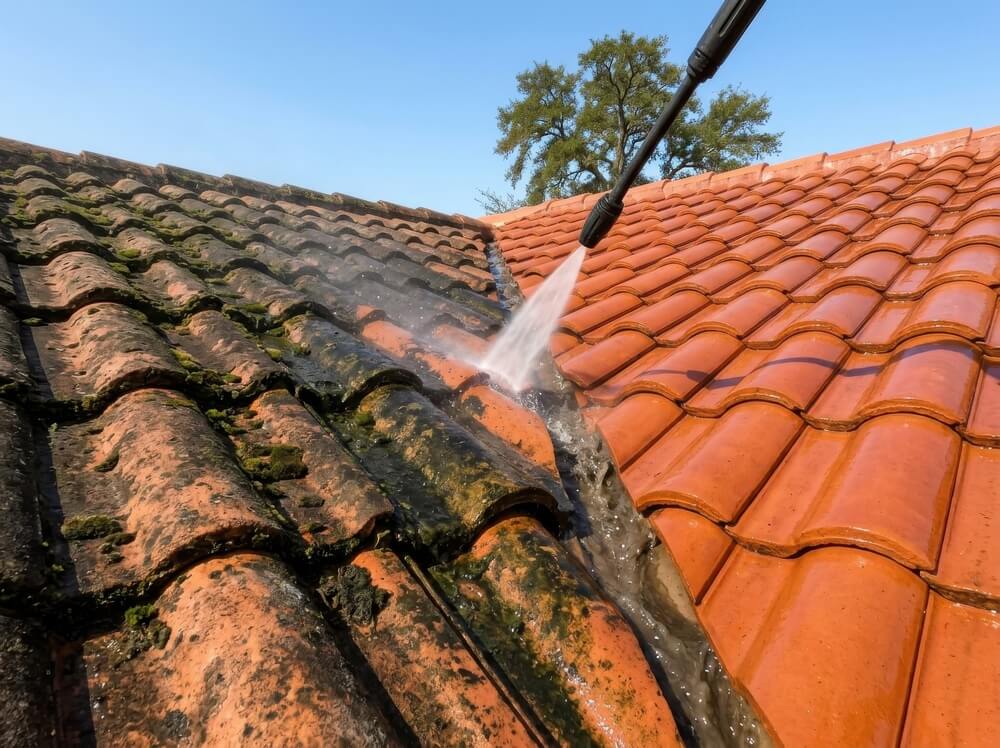
- Use professional soft-wash services with low-pressure methods—avoid aggressive pressure washing that can void warranties
- Trim overhanging branches 6–10 feet from the roof to increase sunlight and airflow
- Clear gutters and downspouts at least twice yearly (late fall and late winter)
- Consider gutter guards in heavily wooded neighborhoods around Bellevue, Issaquah, and Vancouver, WA
For decks and fences, seal and stain wood every 2–4 years, especially on shady sides. Note that moss requires frequent misting in the summer if not in a naturally shaded, damp location—meaning surfaces that dry out are less hospitable to moss growth.
Properly vented attics with ridge and soffit vents help roofs dry faster after rain, slowing moss growth and extending shingle life. Document all major maintenance with invoices and receipts in case you need to demonstrate reasonable care to your insurer.
How Home Insurance Typically Treats Moss and Water Damage
Every homeowners policy is different, coverage can vary by carrier and by Washington location, and homeowners should always read their insurance policy or speak with a licensed agent.
Homeowners insurance is designed to provide financial protection against damage or loss to a home and its contents due to events like fire, theft, or certain natural disasters. Homeowners insurance typically covers damage to the physical structure of your home and personal property within it due to risks such as theft fire, and certain natural disasters.
However, standard home insurance coverage usually protects against sudden, accidental events—not long-term wear, neglect, or gradual deterioration. Many homeowners policies specifically exclude “maintenance issues” or “long-term or repeated seepage” of water.
A standard homeowners insurance policy typically includes liability coverage, which can help if someone is injured on your property or if you accidentally cause damage to someone else’s property. But it won’t pay to remove moss from your roof.
Standard homeowners insurance policies generally do not cover damages caused by floods or earthquakes, which may require separate policies for adequate protection. Washington state is located on several fault lines, making it susceptible to earthquakes. Flooding is a common risk in Washington, exacerbated by coastal storms, seasonal rain, and melting snow, and it can occur even outside designated flood zones. Homeowners insurance policies typically do not cover damages caused by floods or earthquakes, necessitating separate flood insurance for these hazards.
Contact Vern Fonk Insurance to review your current homeowners policy language around “water damage,” “neglect,” and “maintenance.”
You may also want to read: Home Insurance Myths More Persistent Than the Bigfoot Legend
When Moss-Related Damage May or May Not Be Covered
Understanding how claims are evaluated helps you set realistic expectations. Here are Washington-specific scenarios:
| Scenario | Likely Outcome |
| Tacoma homeowner ignores mossy roof for years; slow leaks rot decking and attic framing | Often denied—damage from long-term neglect |
| Heavy January windstorm blows moss-weakened shingles off Spokane home; water pours into bedroom that night | May be covered as sudden storm damage; pre-existing moss deterioration likely excluded |
| Moss and leaves clog Bellevue gutters; November rain backs water into eaves and walls | Mixed—some policies view as preventable, others offer limited coverage |
| Slippery moss on Olympia deck causes guest to fall | Liability coverage might respond to injuries; deck damage itself usually considered maintenance |
Talk with a Vern Fonk agent about how your specific insurer handles moss and moisture claims in Washington—and explore some of the oddest things ever covered by insurance to better understand how flexible coverage can be.
Choosing the Right Homeowners Policy for a Mossy Pacific Northwest Climate
Washington’s unique climate risks—moss, constant rain, winter storms, and occasional snow—mean you shouldn’t just buy the cheapest option. Your home insurance needs in the Pacific Northwest often include strong dwelling coverage limits, adequate limits for water damage from covered perils, and attention to exclusions for repeated seepage, rot, or mold.
Homeowners insurance is often a requirement if you have a mortgage, as it protects both the homeowner’s assets and the lender’s investment in the property. But mortgage lenders only require minimum coverage—Washington homeowners should look beyond those minimums.
Consider whether additional coverage options make sense, such as increased limits for water backup from sewers or drains. Bundling home and auto insurance with the same carrier may provide discounts, freeing up budget for stronger homeowners policy terms.
Request a homeowners insurance quote that reflects your home’s age, roof type, tree coverage, and maintenance history. These factors matter in underwriting and pricing—and can help you save money while getting better protection.
How Vern Fonk Insurance Helps Washington Homeowners Protect Against Moss-Related Losses
Vern Fonk is a Washington-based independent insurance agency, familiar with moss-heavy neighborhoods from Vancouver to Everett and across the Puget Sound region. Our customers know we understand local conditions.
Vern Fonk agents review existing homeowners policies, looking for key details on water damage, maintenance exclusions, and mold limitations that affect moss-related claims. As an independent agency, we compare multiple insurers to find home insurance coverage that fits your budget, roof age, and overall home insurance needs.
We can also help with related policies like auto insurance and home and auto insurance bundles, potentially lowering overall insurance costs while improving your coverage. Give us a call at (800) 455-8276, request your online quote, or visit your local Vern Fonk office.
Combining good maintenance habits with the right homeowners policy helps you enjoy peace of mind and protect your biggest investment from the quiet damage moss can cause.
FAQs about Pacific Northwest Moss and Washington Home Insurance
How often should I clean moss off my roof in Western Washington?
Most Washington roofs in shaded or tree-covered areas should be inspected yearly and professionally cleaned every 2–3 years. Lighter, more frequent cleanings using gentle soft-wash methods are preferable to waiting until thick mats develop. Ask your roofer whether your specific shingle manufacturer has guidelines on moss treatment to avoid voiding warranties. In the Pacific Northwest, it is best to salvage moss from sites slated for development rather than stripping it from natural forests—focus removal efforts on your home, not the surrounding environment.
Can a thick layer of moss void my roof warranty or affect a claim?
Yes. Many roofing manufacturers and insurers expect normal maintenance. Heavy moss buildup can conflict with warranty conditions or support an insurer’s argument that damage was due to neglect. Keep records of roof inspections and moss treatments to demonstrate reasonable care. Contact both your roofer and insurance agent to understand how moss and cleaning methods may vary and affect your warranties and coverage.
Will my homeowners insurance pay to remove moss or pressure-wash my house?
No. Routine moss removal, roof cleaning, deck washing, and gutter clearing are homeowner responsibilities—not covered losses under a typical homeowners policy. Home insurance is designed for sudden, accidental events, not ongoing maintenance tasks. Budget for regular exterior maintenance alongside your insurance premiums for complete financial protection.
If I’m buying a home with a mossy roof, what should I ask before finalizing my insurance?
Request a detailed roof inspection report noting age, remaining life expectancy, moss extent, and signs of active leaks or rot. Share that report with your Vern Fonk agent when requesting a homeowners insurance quote so the insurance policy aligns with the roof’s actual condition. In the Pacific Northwest, moss is widely used in landscaping as a low-maintenance, sustainable alternative to grass lawns—but on your roof, it’s a red flag worth investigating before closing. Ask the seller whether roof work or moss treatment will be completed before closing.
Can improving attic ventilation really help reduce moss growth on my roof?
Yes. Better attic and roof ventilation helps the roof surface dry more quickly after the Pacific Northwest’s frequent rains, which can slow moss and algae growth over time. Mosses intercept heavy rains, absorb water, slow down runoff, and slowly release moisture—properties that work against you when moss sits on your roof. Ridge vents, soffit vents, and properly sized attic vents regulate temperature and reduce condensation. Consult a roofer before modifying vents and let your insurer know about major roof improvements that could positively affect your risk profile.
Related Articles
-

Why Outdoor Living Spaces Need More Protection Than You Think
-September 26th 2026Your backyard is no longer just grass and a garden hose. We at Vern Fonk Insurance see[...]
Read more -
Do You Need Earthquake Insurance in the Pacific Northwest?
-September 26th 2026Earthquake insurance is like the superhero cape your home needs when the ground decides to throw a[...]
Read more -
The Oddest Things Ever Covered by Insurance (and How to Make Sure You’re Covered)
-July 27th 2026Insurance usually sounds practical. You buy auto insurance, add homeowners or renters coverage, maybe protect a business, and move on with your[...]
Read more


