Blog
Does Homeowners Insurance Cover Fallen Trees?

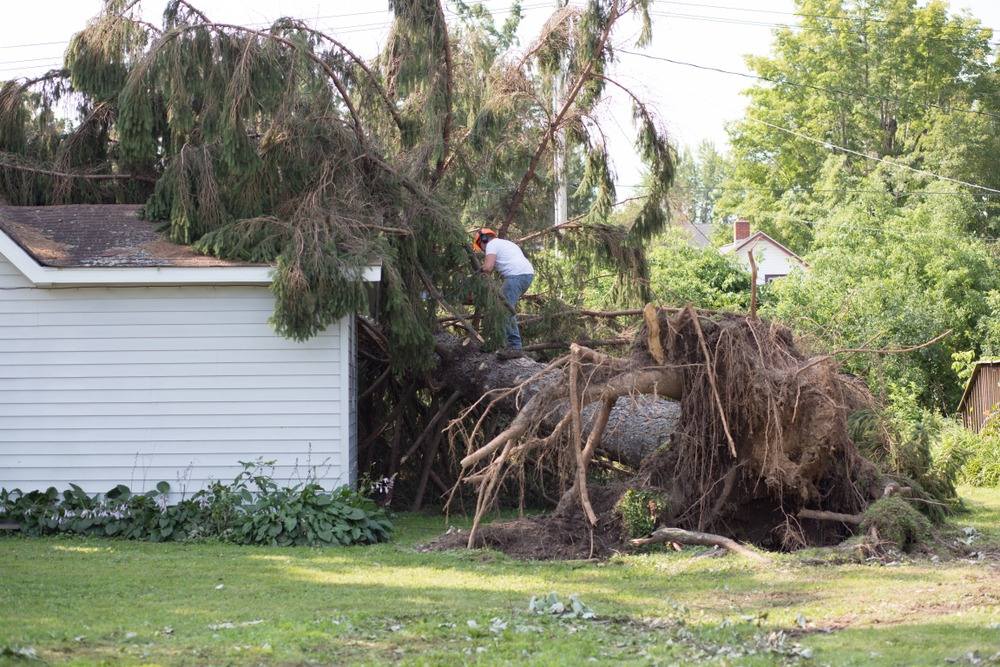
A windstorm rips through your neighborhood, and the next morning a massive tree is lying across your garage roof. Now what? For Washington homeowners, understanding when homeowners insurance covers damage from fallen trees—and what steps to take next—can make a big difference in managing the aftermath.
This guide explains how insurance policies handle tree damage to your house, fence, garage, or other structures, including what happens if the tree originated on a neighbor’s property. You’ll also learn about tree removal coverage, deductibles, negligence issues, vehicle damage, and important actions to take immediately after the incident to protect your claim and property.
Key Takeaways
- Homeowners insurance may cover fallen tree damage caused by wind, lightning, snow, or another covered event.
- Tree removal coverage depends on the circumstances, policy terms, and applicable limits.
- A neighbor isn’t automatically responsible when a tree from their property damages your home.
- Routine tree maintenance and preventive removal are usually the homeowner’s responsibility.
- Document damage and contact your insurance company before authorizing major repairs.
When Does Homeowners Insurance Cover a Fallen Tree?
A fallen tree claim may be covered when an entire tree or a large branch crashes onto insured property during a covered event. Coverage depends on what caused the fall.
Typically covered events include:
- Windstorms or strong wind gusts
- Lightning strikes
- Hail or fire
- Weight of ice or snow
Causes that may not be covered include:
- Rot, disease, or age-related deterioration
- Poor maintenance or a known hazardous tree
- Damage resulting from an excluded event
If a tree falls during a storm and damages your roof, siding, or windows, that damage usually falls under dwelling coverage (Coverage A), subject to your deductible. Damage to another structure, such as a detached garage, backyard shed, or fence, may fall under other structures coverage (Coverage B). For a deeper look at what qualifies, explore what home insurance does and doesn’t cover in Washington.
Debris removal coverage often applies when a fallen tree damages a covered structure. Some policies also cover removal when a tree blocks a driveway or an accessible entrance, subject to specific conditions. Coverage for the trees themselves is usually limited to certain events, such as fire or vandalism, rather than wind damage alone.
Tree Removal Coverage, Debris Limits, and Deductibles
There’s a meaningful difference between paying to fix tree damage to your home and paying for tree removal itself. Many Washington homeowners may not realize these limits until a major storm hits.
Here’s how it typically works:
| Item | What the Policy May Cover |
| Structural repairs to a roof, siding, or fence | Covered under dwelling or other structures coverage, subject to your deductible |
| Debris removal | May be covered when a tree damages an insured structure, subject to policy limits |
| Tree falls in the yard without damaging anything | Removal is usually not covered |
| Tree blocks a driveway or accessible entrance | Some policies cover removal in this situation |
Before authorizing major work, review your homeowners policy debris removal section and coverage limits. Vern Fonk can help Washington homeowners compare homeowners insurance options and understand how coverage differs between insurance companies.
Neighbor’s Tree Falls vs. Your Tree: Who Pays What?
Imagine a neighbor’s maple tree falling on your fence in Everett after a windstorm. Who is responsible for the damage?
If a healthy tree from your neighbor’s property falls because of a covered event, such as a storm, you would often file a claim with your own homeowners insurance. It doesn’t necessarily matter where the tree originally stood. Your insurance company may handle the covered loss and later try to recover costs from your neighbor’s insurance company if negligence is involved.
Liability may shift to your neighbor if they ignored clear warnings about a dead, rotting, or dangerously leaning tree. For example, documentation from an arborist or previous written warnings may help establish whether the property owner knew about the hazard. However, liability depends on the circumstances and applicable Washington law, and a neighbor isn’t automatically responsible simply because the tree was on their property.
To protect yourself, keep records such as photos of hazardous trees, copies of emails or letters sent to your neighbor, and notes from arborist inspections. If a heavy branch from a neighbor’s tree crashes through your roof, the resulting damage may be handled like another covered fallen tree claim. Smaller branches or ordinary yard debris may instead be considered maintenance issues.
After a neighbor’s tree falls, contact your Vern Fonk agent to discuss whether to file a claim, possible subrogation, and how a claim might affect your premiums. For disputes involving property boundaries or shared fences, consulting a Washington attorney may be necessary.
Vehicles, Special Situations, and What Homeowners Insurance Does Not Cover
Not every problem caused by a falling object or tree is covered by homeowners insurance.
Vehicle damage: If a tree falls on your car parked in the driveway during a December ice storm in Yakima, homeowners insurance typically won’t pay for the vehicle damage. Comprehensive coverage under your auto policy may cover the loss, subject to your deductible. If you haven’t purchased comprehensive coverage, you may have to pay for repairs yourself unless another party is legally responsible.
Common Exclusions in Homeowners Insurance
Homeowners insurance policies have specific exclusions when it comes to tree-related coverage. Understanding these limitations can help you avoid surprises when filing a claim or planning tree maintenance.
- Preventive tree removal: Cutting down a leaning or hazardous tree before a storm is usually considered maintenance and isn’t covered.
- Routine maintenance: Pruning, trimming, and disease treatment are typically the homeowner’s responsibility.
- Earth movement: Damage from landslides or other excluded earth movement may require separate coverage.
- Trees that fall without hitting anything: If a large cedar topples behind your backyard fence and lands in the yard without damaging a structure or blocking access, you usually pay for removal yourself.
Landscaping coverage in homeowners insurance is limited. Some policies cover the replacement of trees or shrubs damaged by fire or vandalism, but wind alone usually doesn’t trigger that coverage.
If you have tall trees near a neighbor’s house or shared driveway and worry about potential liability, ask a Vern Fonk agent about umbrella insurance or increasing your liability limits.
What to Do Right After a Tree Falls on Your Property
When a tree hits your property, follow these steps to stay safe and protect your claim:
- Stay Safe. Keep away from downed power lines. Call 911 or your utility company if electrical lines are involved. Don’t climb onto a damaged roof; hire a qualified tree removal professional.
- Document Everything. Take clear photos and videos from multiple angles showing the tree and damage to your roof, fence, or garage. Record the date, time, and weather conditions.
- Contact Your Insurance Company. Call your insurance company or Vern Fonk agent as soon as it’s safe. Provide the address, which structures were hit, whether vehicles were damaged, and whether anyone was injured. Ask whether to get your own estimate or wait for an adjuster.
- Get Estimates and Make Temporary Repairs. Collect written quotes from qualified contractors for tree removal and structural repairs. Tarp the roof or board up windows when safe to prevent further damage. Save all receipts.
- Review Your Insurance Policy. Confirm your deductible, coverage limits, and tree removal benefits before authorizing expensive work.
To prepare before storm season arrives, take a look at how to prepare your home for severe weather in Washington.
Vern Fonk Helps Protect Your Home From Tree Damage and More
When a fallen tree damages your home, fence, or other structures, knowing your insurance coverage can make all the difference. Don’t wait until the next storm to find out if you’re protected.
Vern Fonk can help you compare homeowners insurance policies and understand the coverage options available for your property. Knowing the facts behind common home insurance myths in Washington can also help you make informed coverage decisions.
Call us today at 800-455-8276, request a homeowners insurance quote online, or visit your nearest Vern Fonk Insurance office. We’ll help you compare policies and find coverage options that fit your home and budget.
FAQs About Fallen Trees and Homeowners Insurance
Does Homeowners Insurance Cover a Fallen Tree if It Only Damages My Lawn or Garden?
Usually not. Most policies won’t pay for tree removal or lawn repairs when a tree falls without damaging a covered structure or meeting another removal condition. Limited landscaping coverage may apply to plants damaged by certain events, such as fire or vandalism, but not necessarily wind or age-related deterioration. Document the damage and contact your agent to confirm how your policy treats landscaping.
Will Filing a Tree Damage Claim Raise My Homeowners Insurance Rates?
It depends on factors such as the insurance company, the size of the covered loss, your claims history, and applicable rating rules. One storm-related claim may affect your premium differently than multiple claims over time. However, a rate increase isn’t automatic. Speak with a Vern Fonk agent before filing a claim for damage close to your deductible to discuss potential premium effects.
Can I Choose Any Tree Removal Company or Contractor After a Tree Falls?
You may be able to choose your own qualified tree removal company or contractor, although some insurance companies provide preferred vendor lists. Get estimates in writing, avoid paying the full amount upfront, and confirm the company carries appropriate liability and workers’ compensation insurance. Check Washington’s contractor registration requirements before hiring someone for repairs. Consult your claims adjuster before authorizing major work to understand potential reimbursement limits.
How Can I Reduce the Chance of a Denied Claim Due to Tree Negligence?
Schedule periodic tree inspections, especially when large firs, maples, or cedars show signs of damage or deterioration. Consider consulting a qualified arborist to evaluate trees that appear dead, cracked, hollow, or unstable. Address identified hazards when reasonable and safe to do so. Keeping receipts and inspection reports may help document responsible maintenance if a future claim raises questions about a hazardous tree.
Related Articles
-

Why Outdoor Living Spaces Need More Protection Than You Think
-September 26th 2026Your backyard is no longer just grass and a garden hose. We at Vern Fonk Insurance see[...]
Read more -
Do You Need Earthquake Insurance in the Pacific Northwest?
-September 26th 2026Earthquake insurance is like the superhero cape your home needs when the ground decides to throw a[...]
Read more -
The Oddest Things Ever Covered by Insurance (and How to Make Sure You’re Covered)
-July 27th 2026Insurance usually sounds practical. You buy auto insurance, add homeowners or renters coverage, maybe protect a business, and move on with your[...]
Read more