Blog
PNW Renters: What Happens If Your Upstairs Neighbor Floods Your Apartment?

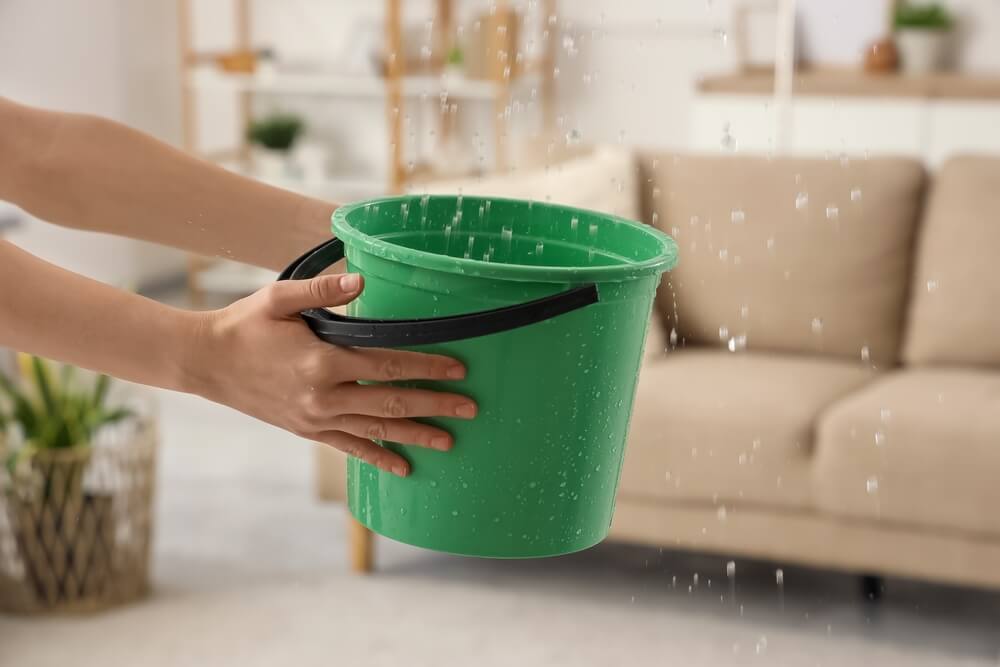
Ever have some trouble getting your roommate to pay rent? Yeah, that’s going to be pretty darn difficult when your roommate is moss. Maybe it happened because your upstairs neighbor uses their bathtub like a science experiment, or your landlord can’t keep the pipes from draining directly into your pantry. Whatever the case, the ceiling is dripping, and you now have an unwanted indoor water feature.
Welcome to the upstairs neighbor flood situation. But who pays for it? You? The landlord? The neighbor? The insurer? Let’s break it down before your ceiling does … and see how Vern Fonk can help you get an affordable PNW renters insurance quote today!
The Classic PNW Apartment Flood Scenario (Yes, It Happens Often)
Water isn’t your friend, and that’s especially true if you’re renting a property. Usually, if you get flooded by the upstairs neighbor, you’re gonna see a dripping ceiling, wet carpet, “adventurous” light fixtures, and a couch that’s turned into a sponge. Unfortunately, it’s not an uncommon occurrence, especially in buildings that are past their prime or not maintained well. Here are the more common situations that pop up.
Burst Pipes, Overflows, and “My Bad” Moments
Pipes can burst during cold snaps. Especially up here in the PNW winters. You’ll also see toilet and tub overflows, or a washing machine that’s had a hose pop off on the job. Another common issue is a sink that’s left running or has issues with its cartridge. Insurers are going to look at causes when assessing these situations — was it sudden? Was it accidental? Or was it slow and ignored?
What Damage Typically Follows
Even small leaks can cause damage to your personal stuff (electronics, clothes, books, furniture, etc.), damage to the property itself (sagging drywall), and floor issues, not to mention moss and mold. Interactions with electrical systems are also not desirable, as you might be able to guess.
What Renters Insurance Actually Covers in Water Damage Situations
This is where renters insurance water damage gets real — and why it’s worth it in Washington. Most renters insurance is meant to protect your stuff and your liability. It usually does not insure the building itself (that’s the landlord’s job). So, does renters insurance cover water damage? Depends on who’s asking, but often yes, especially if it’s sudden and accidental (and comes from the building itself, like from an overflow). But there are exceptions.
Personal Property Repairs or Replacement
If your upstairs neighbor turns your living room into an aquarium, renters insurance may help pay to repair or replace your damaged belongings, up to your policy limits and minus your deductible. This is the “my stuff is ruined” part of apartment flood coverage. Helpful tip: take photos and video right away. Wet items magically “look fine” later, even when they smell like a swamp.
Another good rule of thumb to keep in mind: Your policy may pay out depending on replacement cost (what it costs to buy a new version of the same thing today) or actual cash value (the current going price of the object; a 5-year-old TV = much less valuable than a new one). Check your policy or talk to your agent for more info.
Temporary Housing and Additional Living Expenses
If the place is unlivable, renters insurance may help with Additional Living Expenses (ALE). That can include hotel stays, extra meals, and other costs you wouldn’t have had if your apartment weren’t a water-themed disaster zone. This matters a lot if the landlord says repairs will take “a while,” which can mean anything from three days to three months in Washington contractor time. And as a renter, you should take advantage of Washington renters rights to a safe and clean place to live.
When Renters Insurance Doesn’t Apply
Without getting into an insurance jargon translation article, renters insurance often does not cover flooding from outside. That means if the local river rises, or you get a storm surge/surface water problem, that’s not going to fly. Sewer backups are also not usually applicable without extra coverage, and gradual leaks due to neglect will be looked at skeptically by an adjuster. This is the part nobody likes, but you really want to know it before the drip becomes a waterfall.
Who Pays What — You, the Landlord, or the Upstairs Neighbor?
So who pays water damage costs? The landlord’s insurance usually covers the building itself. Your renters policy covers your own stuff and any temporary living costs. Your neighbor might have to pay if they were careless, but their own renters liability might jump in to help. But it’s a bit of a complicated situation.
When Landlord Policies Step In
Your landlord has a duty to maintain a livable space. That means repairing the building. That means doing routine plumbing, inspections, that sort of thing. In other words, in the state of Washington, your landlord needs to keep things in working order. If water damages your ceiling, your landlord will need to fix it and pay for those repairs with their own insurance policy if needed. But that does not mean that your landlord will automatically pay for your laptop if it’s damaged.
When the Neighbor Is Liable
If your upstairs neighbor caused the damage by being careless (like leaving the tub running and going on a 40-minute side quest), they may be legally responsible. In that case, their renters insurance liability coverage might pay for damage they caused to others. Some insurers explain that renters insurance can help cover damage to neighboring units when the leak starts in your unit.
When Your Policy Covers the Damage
If your own property gets damaged by water or if you need temporary housing (because Mr. Landlord gave your unit the old landlord special one too many times), then your own policy will jump in to help in most cases. That’s what shifts PNW renters insurance from “nice to have” to “need to have.” Your renters policy is usually your fastest path to getting your stuff handled, especially when your belongings are damaged and you need to make a water damage claim renters actually survive.
Don’t Risk a Soaked Apartment, Protect Yourself With Vern Fonk Renters Insurance
You can’t control the upstairs neighbor. You can’t control the pipes. You definitely can’t control PNW moisture. But you can control whether a surprise indoor waterfall turns into a financial disaster.
If you’re renting in the Northwest, consider getting a quick quote for Vern Fonk renters insurance, so your stuff is protected when water decides to explore. Get a quote online, give us a call at (800) 455-8276, or visit a Vern Fonk Insurance location in the PNW today for more info! We’re here to help.
FAQs
Can I File a Claim for Ruined Furniture or Electronics?
Yes, you often can if the water damage was caused by a covered event (like a burst pipe or overflow) and your policy includes personal property coverage.
Are Leaks Considered Flood Damage?
Usually no. Insurance companies treat outside flooding as “flood” (not covered by standard renters policies), but inside water damage from things like plumbing leaks may be covered, depending on the situation.
What if My Neighbor Caused the Damage Through Negligence?
If they were negligent, they may be responsible, and their renters insurance liability may help cover damage to your unit or belongings. Sometimes it’s still faster to file with your insurer first.
Does Renters Insurance Cover My Belongings If the Ceiling Collapses?
Often, yes, if the collapse is caused by a covered water event and it damages your belongings (for example, a sudden leak that ruins your couch and TV). The building repair is usually the landlord’s responsibility.
Will My Renters Insurance Pay for Mold Cleanup After a Leak?
It depends. Many policies may help with mold damage only if it results from a covered event (like a burst pipe).
Related Articles
-

The Great Insurance Bake-Off: Comparing Policies So You Don’t Get Burned
-December 2nd 2025Hi there, friend. Ready for a bake off? No, it’s not time to whip out cake mix or cookie[...]
Read more -
Because Losing Your TV Is Tragic: Why Renters Insurance in Washington Is Worth It
-August 11th 2025Let’s set the scene. You just sat down with a Costco-sized bag of popcorn, ready to binge-watch[...]
Read more -
Why Reading Your Insurance Policy Is More Fun Than It Sounds
-February 3rd 2025Policy documents. Not exactly the average person’s definition of an exciting read. But understanding what’s inside those[...]
Read more